
Last updated November 22, 2026
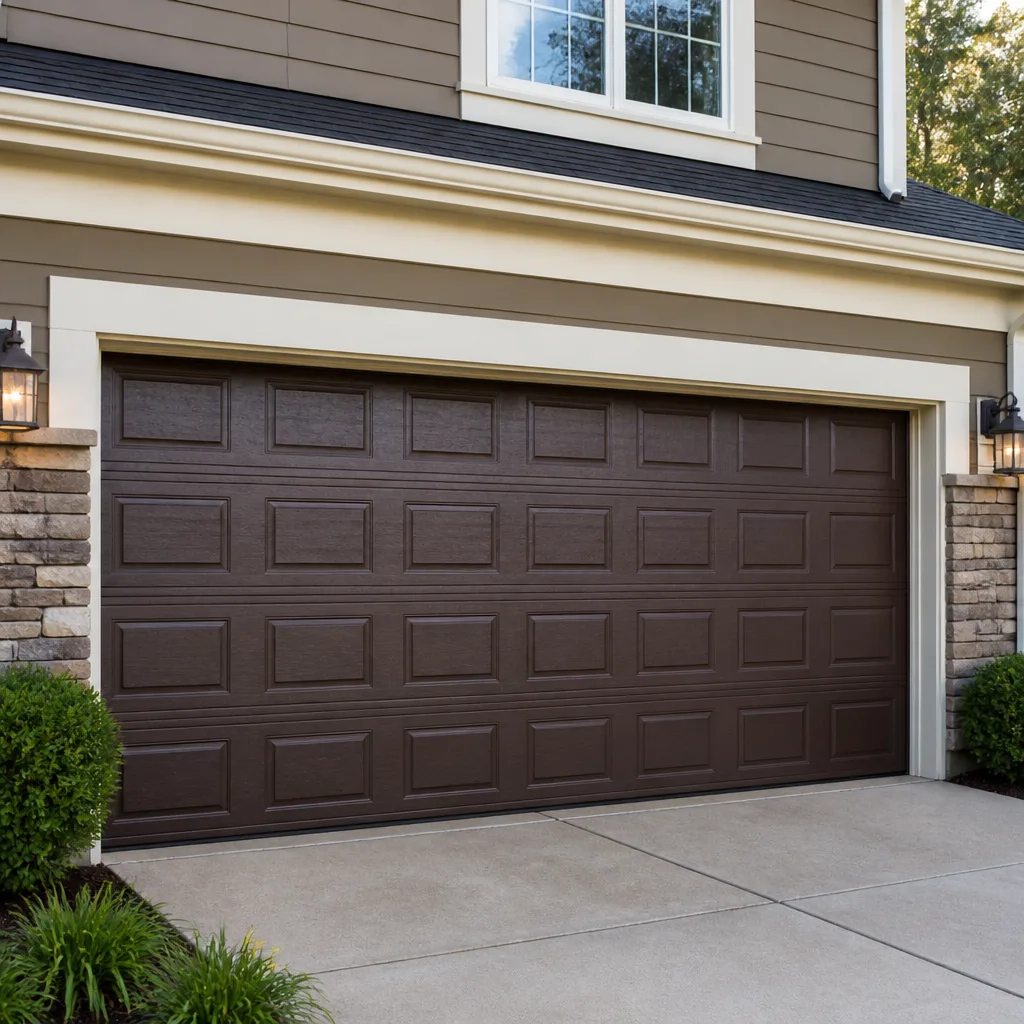 Raised-panel steel
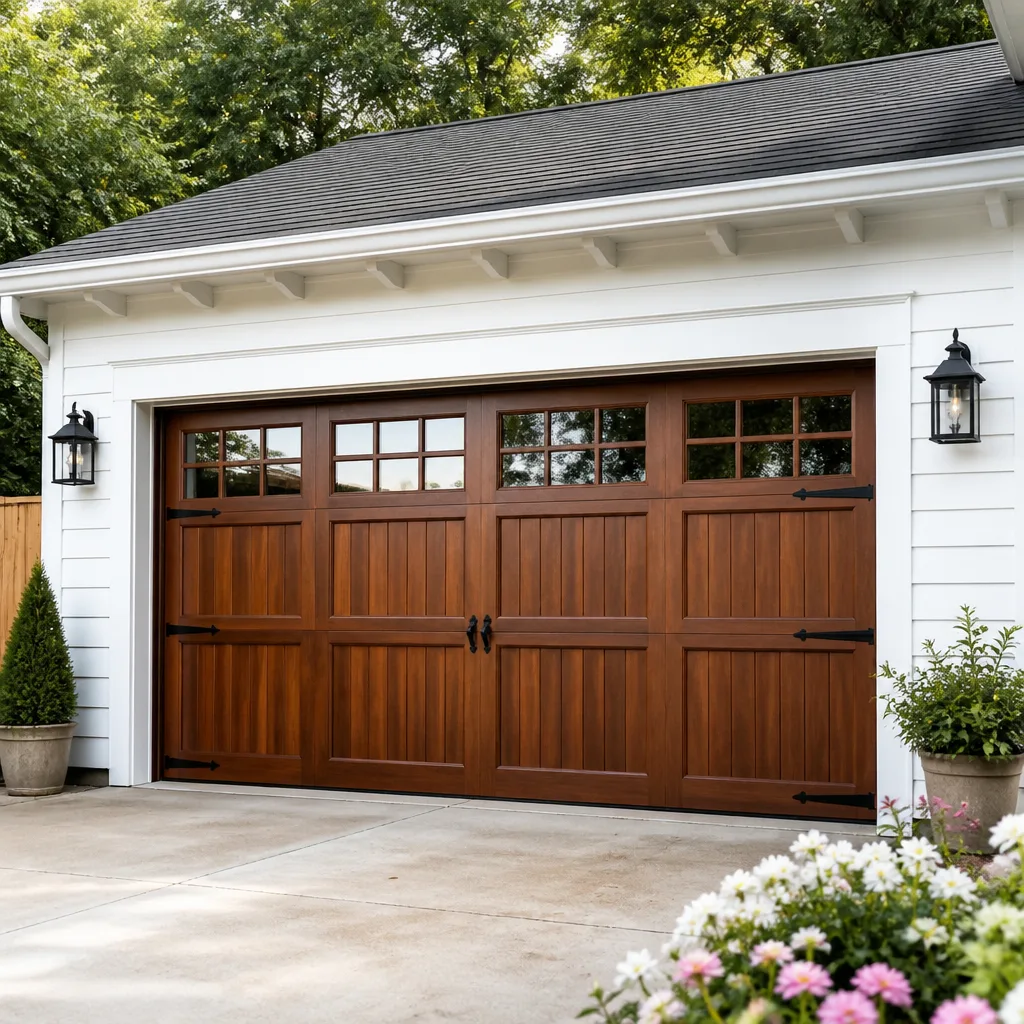 Carriage house
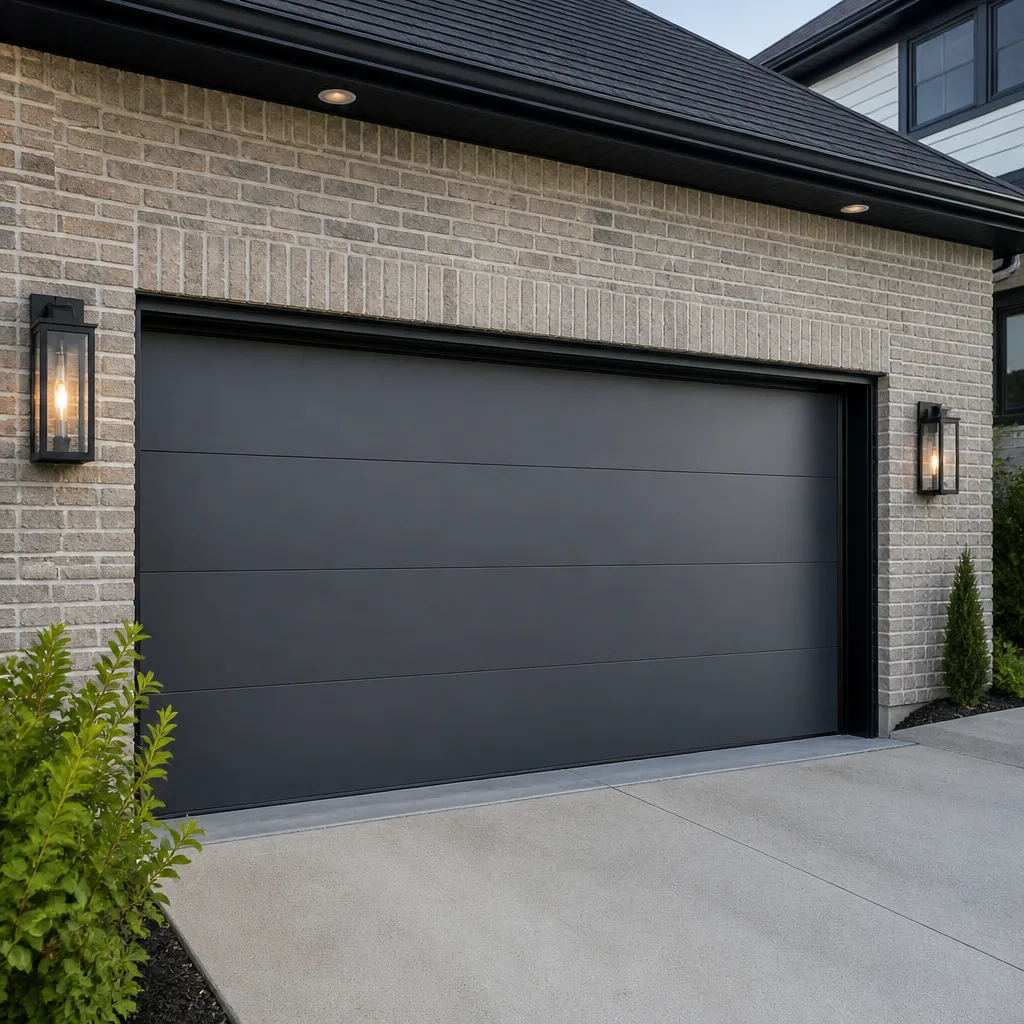 Modern flush
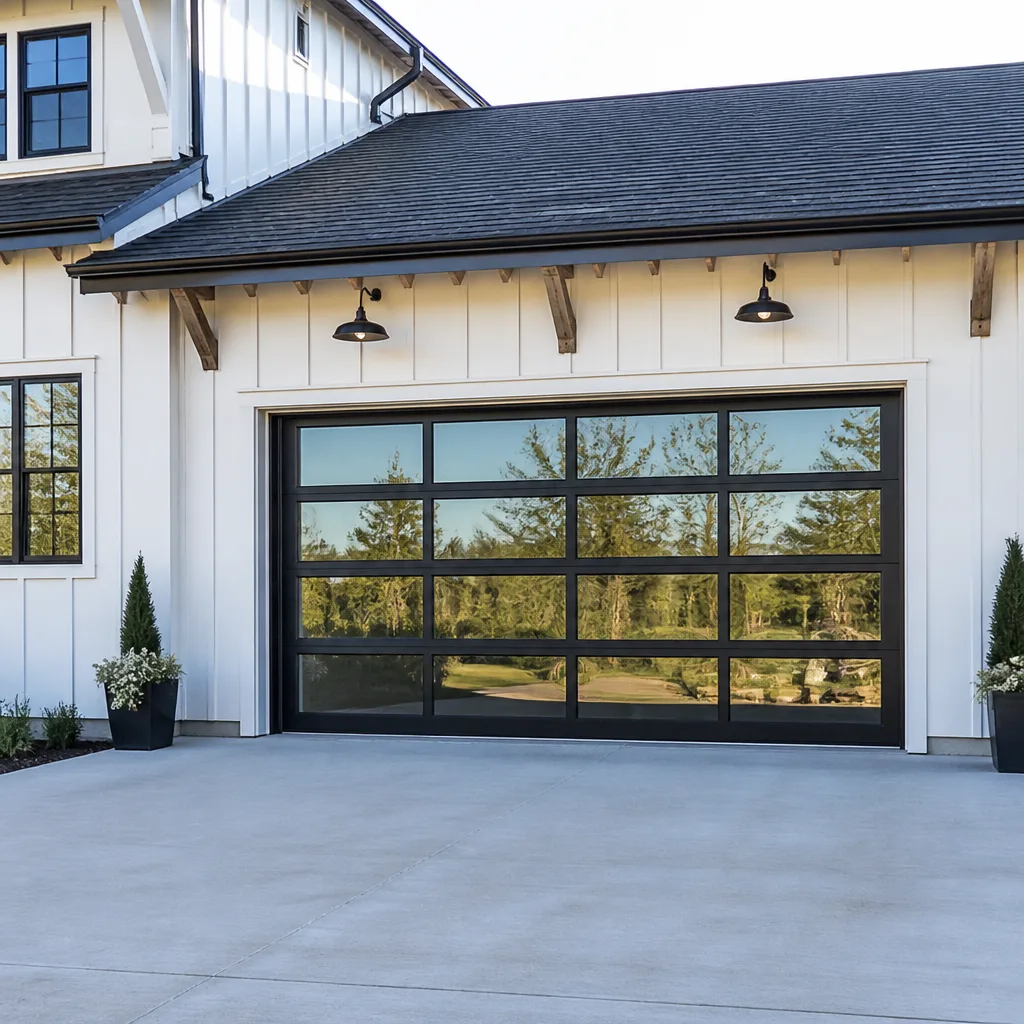 Full-view glass
 LiftMaster openers
 Chamberlain openers
Full 25-point door and opener safety check with every visit - springs, cables, rollers, tracks, and your LiftMaster or Chamberlain opener included
You get a price before we start. It does not change when the pro arrives.
Get your free estimateHow to Hire a Garage Door Contractor in Lynn: A Step-by-Step Guide
Most homeowners in Lynn shop for a garage door contractor by price. That’s the mistake. Price is the one thing every quote will show you, and the one thing that tells you the least about the work. The decision that actually protects your money is knowing who’s coming to your house and what they’re qualified to touch. Massachusetts doesn’t require a specialty license to work on garage doors, which means your screening process is the only protection you have. A general handyman with a wrench and a plain liability policy can legally take the job. This guide shows you how to tell the specialists from the rest before you hand over a deposit, in Lynn and across the North Shore.
Quick Answer
Hire a garage door contractor in Lynn by verifying four things before any work starts: a Massachusetts business registration you can look up, active liability insurance you can confirm with the insurer, brand-specific training on your door and opener, and a written quote that itemizes parts, labor, and warranty. Skip any one of those and you’re relying on the contractor’s word instead of paperwork. A specialist who works only on garage doors will have all four ready when you ask.
Styles & brands we work with
- Raised-panel steel
- Carriage house
- Modern flush
- Full-view glass
- LiftMaster openers
- Chamberlain openers
Table of Contents
- Why a Garage Door Specialist Beats a General Handyman
- How to Verify a Massachusetts Contractor in Under Five Minutes
- Why Brand-Specific Training Matters More Than General Credentials
- How to Read a Garage Door Quote in Lynn
- Comparing Three Quotes Apples-to-Apples
- Questions That Reveal Local Experience
- The Safety Filter: Springs, Cables, and Openers
- Common Mistakes to Avoid
Why a Garage Door Specialist Beats a General Handyman
A garage door is not a simple door. It’s a counterbalanced mechanical system working under hundreds of pounds of stored tension, and the parts that hold that tension – torsion springs, extension springs, cables, and the drums they ride on – are unforgiving of an untrained hand. A general contractor may be excellent at framing, tiling, or hanging drywall. None of that prepares anyone for a torsion spring on a Clopay or Amarr door with a specific winding and gauge. When we talk about specialization, we mean someone who works on this equipment every week rather than once in a career.
The practical difference shows up in three places:
- Diagnosis speed. A specialist hears a bang from the garage, knows it’s almost certainly a broken spring, and arrives with the right springs on hand. A generalist typically arrives empty-handed to “take a look,” then comes back later with parts.
- Correct parts. Spring wire gauge, inside diameter, and wind direction have to match your door’s weight and track. Getting that wrong shortens spring life and can stress the opener.
- Warranty clarity. Specialists warranty the parts they install because they know the parts. Generalists often pass through whatever the supplier offers, if anything.
None of this means every specialist is good. It means the starting pool is far smaller and easier to screen. In a city like Lynn, where much of the housing stock predates modern overhead door standards, the difference between a technician who has seen a hundred older configurations and one who has seen none is the difference between a proper repair and a return visit.
What “full-spectrum” really buys you
A specialist who handles repair, opener work, springs, and full door replacement keeps you from stitching together three different contractors across the life of one door. You get one call when the opener fails, another when the spring snaps years later, and the same number when it’s finally time to replace the whole thing. That continuity has real value when something goes wrong and you need to trace who did what.
How to Verify a Massachusetts Contractor in Under Five Minutes
This is the part most homeowners skip, and it’s the part that matters most in Massachusetts, because there’s no specialty license to check. What you can verify is a business registration and an insurance policy. Both are quick if you know where to look.
Step 1: Confirm the business is registered in Massachusetts
Ask for the company’s legal business name exactly as it appears on the quote. Then check it against the state’s business registration records. A legitimate operation will match. If the name on the quote, the name on the insurance certificate, and the name on the registration don’t line up, ask why before you sign anything. Shell names and last-minute substitutions are a common way to hide an uninsured job.
Step 2: Ask for a certificate of insurance and verify it
Don’t accept a photocopy as proof on its own. Ask for the certificate of general liability insurance, then call the phone number printed on it and confirm the policy is active on the date of your job. This takes two minutes. Ask about workers’ compensation too: if someone is injured on your property and there’s no coverage, that exposure can come back to you.
Step 3: Confirm the name on the quote matches the insured name
A contractor can hold insurance and still send an uninsured sub to your door. Ask who will actually be performing the work and confirm they’re covered under the policy. This one question closes the biggest gap between “insured” and “covered on my job.”
Write these three items down when you call. The contractors worth hiring will have answers ready in a few minutes. The ones who don’t are telling you something.
Why Brand-Specific Training Matters More Than General Credentials
Garage door openers and doors aren’t interchangeable. A Genie opener uses a different logic board and force calibration than a Chamberlain unit. A LiftMaster wall-mount opener has a different tension setup than a ceiling-mount. A Clopay door with a specific panel profile and a Wayne Dalton model from another era don’t share parts. When a technician isn’t trained on your specific brand, they resort to guesswork: swap a board, try a spring, replace a part that didn’t need replacing, and bill you for the trial and error.
Brand-specific familiarity shows up in the way a tech talks about your equipment. Ask them what brand your opener is before they arrive. When we work on a Chamberlain, we know what its travel limits and force settings look like. When we work on a Genie, we know where the common failures land. When we work on a Clopay or Amarr door, we know the panel weights and hinge patterns. That familiarity saves you two things: time and unnecessary parts.
What to ask about brand training
- “Which brands do you work on regularly?” A specialist will name several without pausing. A generalist will say “all of them,” which usually means none.
- “What brand is my opener?” If you’ve already told them, fine. If they can identify it from a photo you texted, that’s a good sign.
- “Do you have the parts for this brand on hand, or are you ordering?” Answer tells you whether the visit is a repair or a diagnostic round trip.
- “Do you work on older models of the same brand?” In Lynn, many homes still run openers from the 90s. A tech trained only on current models may struggle with legacy logic boards.
For more detail on specific brands, see our guide to garage door opener repair, where we break down how each system fails and what that failure usually points to.
How to Read a Garage Door Quote in Lynn
Most garage door quotes fail the same way: they say “parts and labor” and give a single number. That single number is what you’ll argue about if things go sideways, and you’ll lose the argument if the quote doesn’t itemize. A quote you can actually compare has five parts.
The five-part quote
- Diagnosis or inspection fee – if there is one, it should be stated up front. If a contractor won’t state it, ask. If the answer is vague, that’s a red flag, not a courtesy.
- Parts, itemized – spring type, wire gauge, inside diameter, wind direction; opener model; hinge or roller count. Not “springs” alone.
- Labor, itemized separately from parts – so you can see what’s being charged for the work vs. the material.
- Warranty terms, in writing – length, what’s covered, who honors it, and whether it’s pro-rated or full replacement.
- Written price before work starts – signed off by both sides, with no caveat that allows the price to change mid-job.
The single most useful question about any quote: “Is the price on this document the price I’ll pay, or can it change once you start?” A written estimate sets the final price. If the scope genuinely changes on the job, a legitimate contractor stops, explains what changed, and gets your approval in writing before continuing. Anything else is drift.
What “parts and labor” vagueness actually costs you
A quote that says only “spring replacement, $X” leaves open: which spring, what gauge, what warranty, and whether the cables or drums that fail under new spring tension are included. If the spring breaks again in six months and the warranty turns out to exclude the part, you’ve paid twice. Itemization is the only thing that keeps a quote honest. On a broken spring, our team at garage door spring repair always quotes the spring type, the pair (if the door needs a matched pair, which it almost always does), and the warranty before anything is unbolted.
Comparing Three Quotes Apples-to-Apples
Getting three quotes is good advice only if you can compare them side by side. Spring quotes especially tend to look similar and be very different. A spring price quoted for one spring isn’t comparable to a price quoted for a pair, and a pair is what’s usually replaced together. A matched pair costs about twice a single spring, so if one quote looks dramatically lower, check whether it’s per spring.
The comparison sheet
Before you start calling, build a simple table. For each quote, capture:
- Spring type: torsion or extension
- Wire gauge and inside diameter (if listed; if not, ask)
- Number of springs being replaced – one or a matched pair
- Warranty on the part: length and terms
- Warranty on labor: length and terms
- What’s included: cables, drums, bearings, or spring only
- Written price before work: yes or no
Now you’re comparing specific equipment instead of a total dollar figure. If one quote is $80 lower but the warranty covers the spring for half as long and excludes labor, it’s the more expensive quote.
A second comparison angle: who does the work
Ask whether the springs will be replaced by the company coming to your door or subbed out. Subcontracting isn’t inherently bad, but it splits responsibility for warranty claims. If two companies will point at each other when a spring fails early, the paperwork from the original quote is your only leverage. For a general breakdown of what each type of repair typically costs in Lynn, see garage door repair.
Questions That Reveal Local Experience
Lynn has a distinctive housing mix. There are older homes with narrow garages, low headroom, and tilt-up style doors from an earlier era sitting next to newer construction with standard overhead doors. A technician who hasn’t worked on that range will bring assumptions that don’t fit the door in front of them. The right questions surface that gap quickly.
Five questions to ask
- “Have you worked on low-headroom garages in Lynn before?” Older configurations often don’t have the ceiling height for a standard torsion setup. A tech who hasn’t seen this either brings the wrong parts or suggests replacing the door to fit their tools.
- “What’s your approach to a door that won’t open after a hard freeze?” Cold-weather issues around Lynn often trace to lubrication, balance, or a spring on its way out. The answer tells you if they diagnose or just replace.
- “How do you handle a door with a legacy opener that’s still working?” Many Lynn homes run Genie or Chamberlain openers from decades past. A good technician can repair them. A lesser one will try to sell you a new opener first.
- “Do you ever need a permit for garage door work in Lynn?” Garage door repair generally doesn’t require a permit, but a full door replacement may, depending on the city’s current rules. A specialist will tell you to confirm with the city’s building department rather than guess.
- “How do you handle tilt-up doors and non-standard panel sizes?” If the answer is “we replace it with a standard door,” ask what that costs and what it involves before you agree.
Good answers to these are technical and specific. Bad ones are “yes, we can do anything” or “I’d have to look at it.” Both may be honest, but only one shows familiarity with Lynn’s actual housing.
The Safety Filter: Springs, Cables, and Openers
This is the section most contractors hope you don’t read carefully. Garage door springs store enormous energy. A torsion spring failure can happen in a fraction of a second with no warning, and the same is true of a cable that snaps under load. Working on springs, cables, drums, or the brackets that anchor them is a trained-professional job. There’s no safe version of that work for a homeowner. If you ever see a company offer to “walk you through” a spring repair over the phone, that company is not considering your safety.
The same caution applies to openers with electrical connections that have been modified or run on an older circuit. Testing the safety reverse feature is safe and worth doing. Opening up the unit, adjusting force limits, or rewiring the connection is not.
What you can safely check yourself
- Listen for a loud bang, then visually confirm a broken spring (gap in the torsion spring above the door, or an extension spring hanging loose on the side).
- Test the door’s safety reverse feature: with the door open, place an object in its path, close the door, and confirm it reverses.
- Look for frayed cables, bent track sections, or worn rollers.
- Note any grinding, squealing, or uneven movement, and describe it when you call.
Anything beyond that – springs, cables, opener electronics, track adjustment under tension – gets a trained technician. If you’re ever in doubt about whether the door will come down on its own, leave it closed and call. Same-day help for a stuck or unsafe door is exactly what our Lynn Garage Door Repair Pros team is set up for.
Common Mistakes to Avoid
- Hiring on lowest price alone. On spring work especially, the cheapest quote is often the one that replaces one spring instead of the pair or skips the cable inspection. The real cost shows up in a second repair months later.
- Accepting a verbal quote. A verbal price is unenforceable and often drifts once the door is apart. Insist on written scope, itemized parts, and a stated warranty before work starts.
- Skipping the insurance check. A contractor who can’t produce an active certificate of insurance is one injury away from putting you in a difficult position. This is a five-minute call, and there’s no reason to skip it.
- Assuming a general contractor is qualified. Massachusetts doesn’t require a specialty license for garage door work, so a handyman can legally take the job. Skill and training aren’t guaranteed by the legal right to do the work.
- Not asking which brand the tech knows. A technician unfamiliar with your Genie or Chamberlain opener may replace parts to find the failure. That’s not a repair, that’s a learning curve you’re paying for.
- Letting “parts and labor” through. That phrase hides the spring gauge, the opener model, the warranty length, and the labor portion. Ask for itemization and confirm the total before work begins.
- Skipping the door balance test on a new install or repair. A door that’s out of balance loads the opener and shortens its life. A specialist tests and adjusts this as part of the job. A generalist might not even mention it.
See the difference
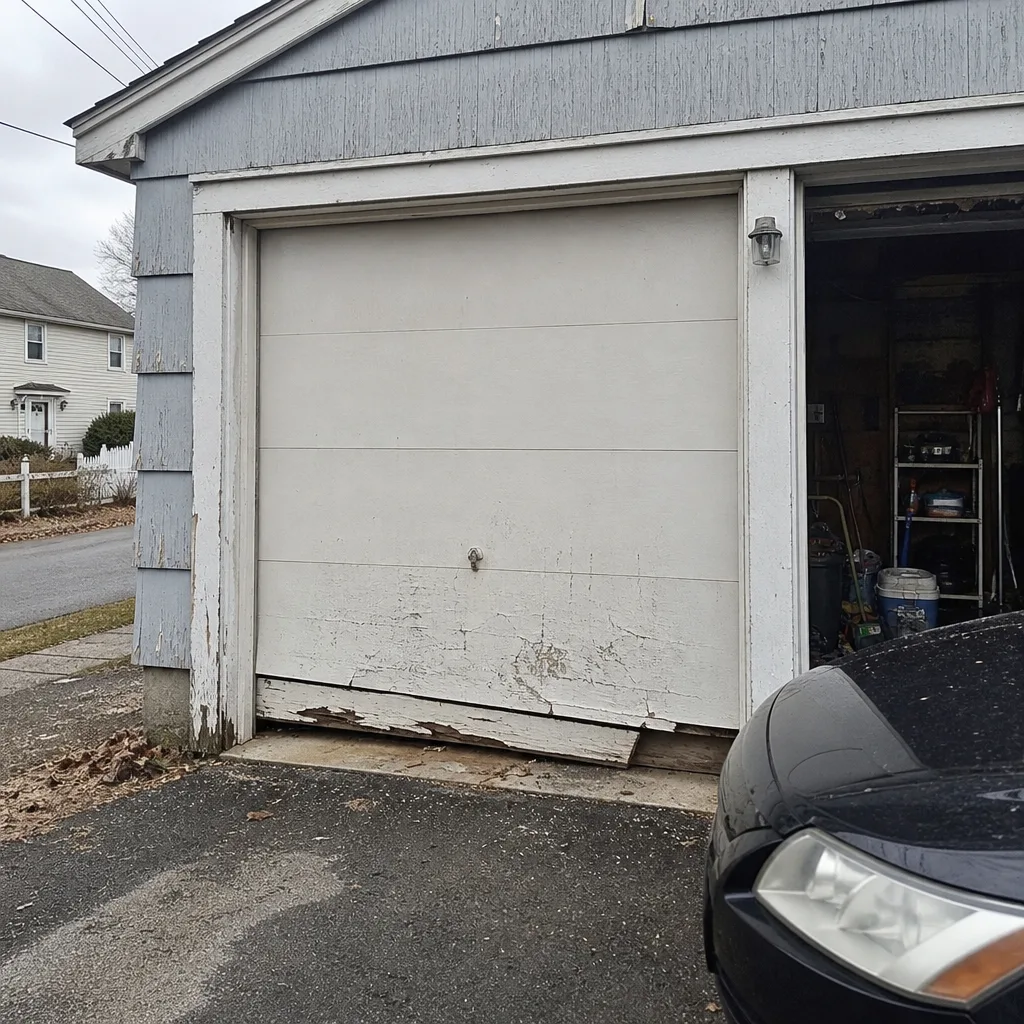 Before
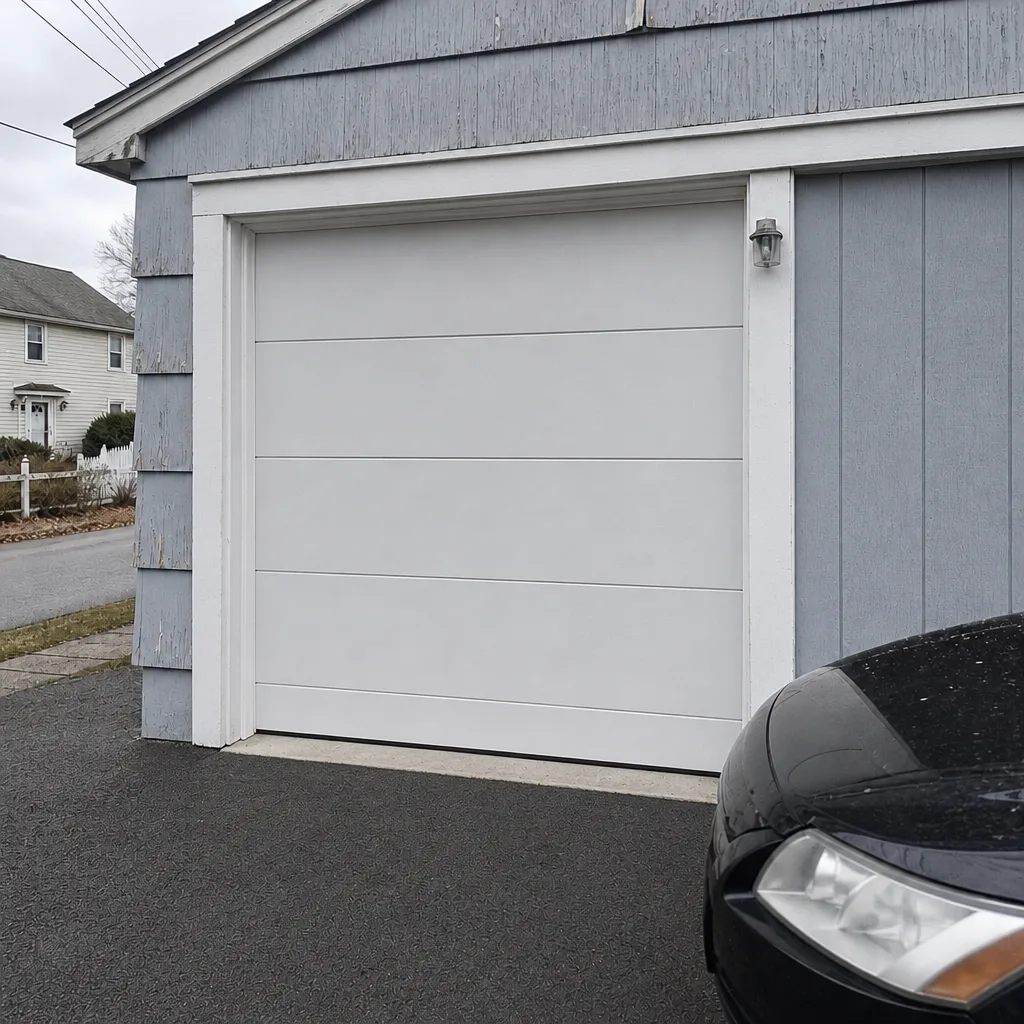 After
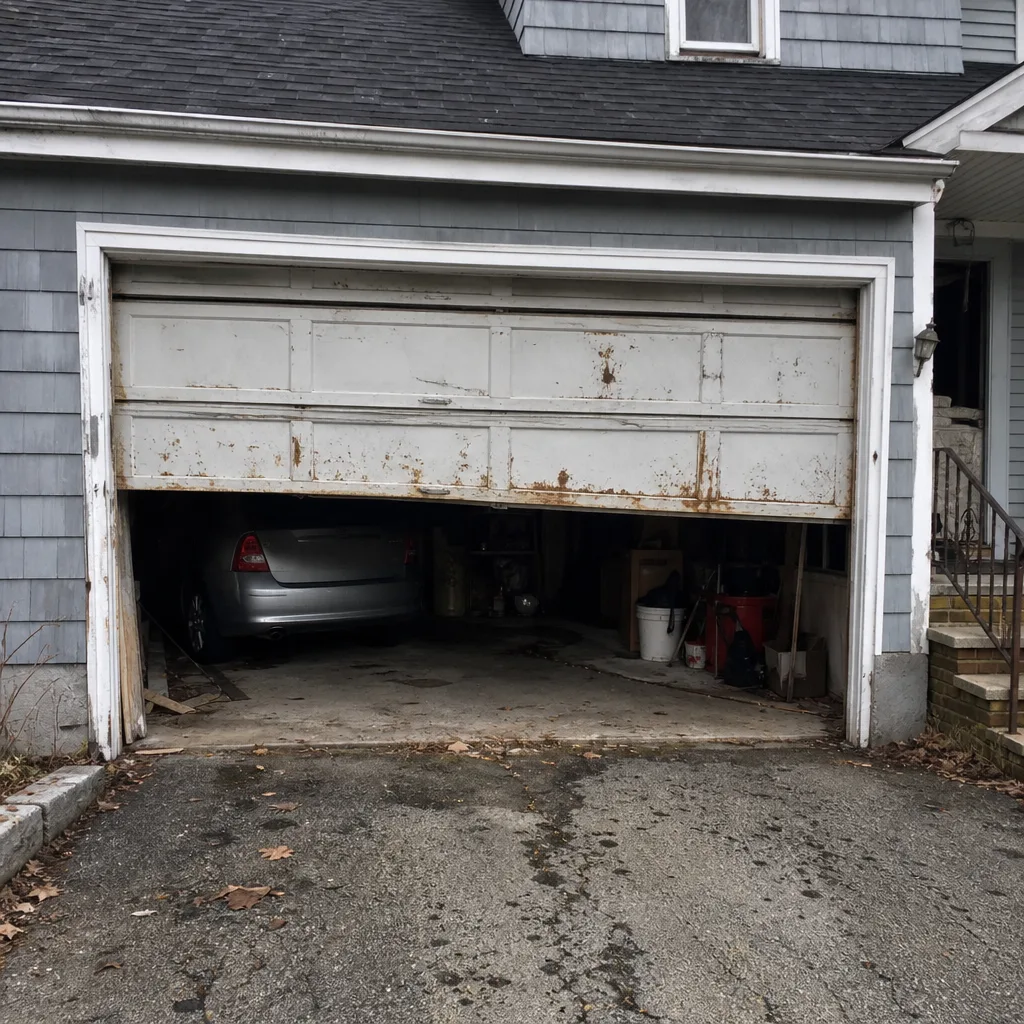 Before
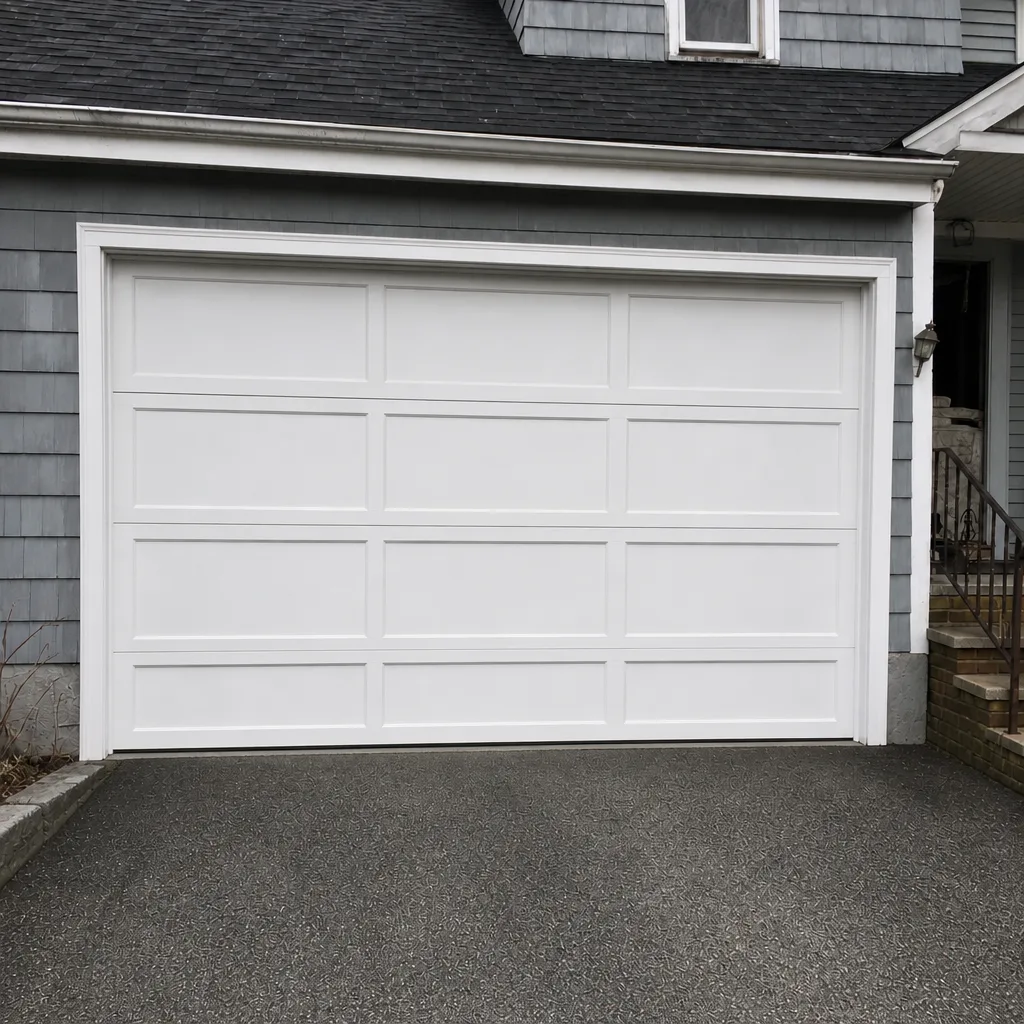 After
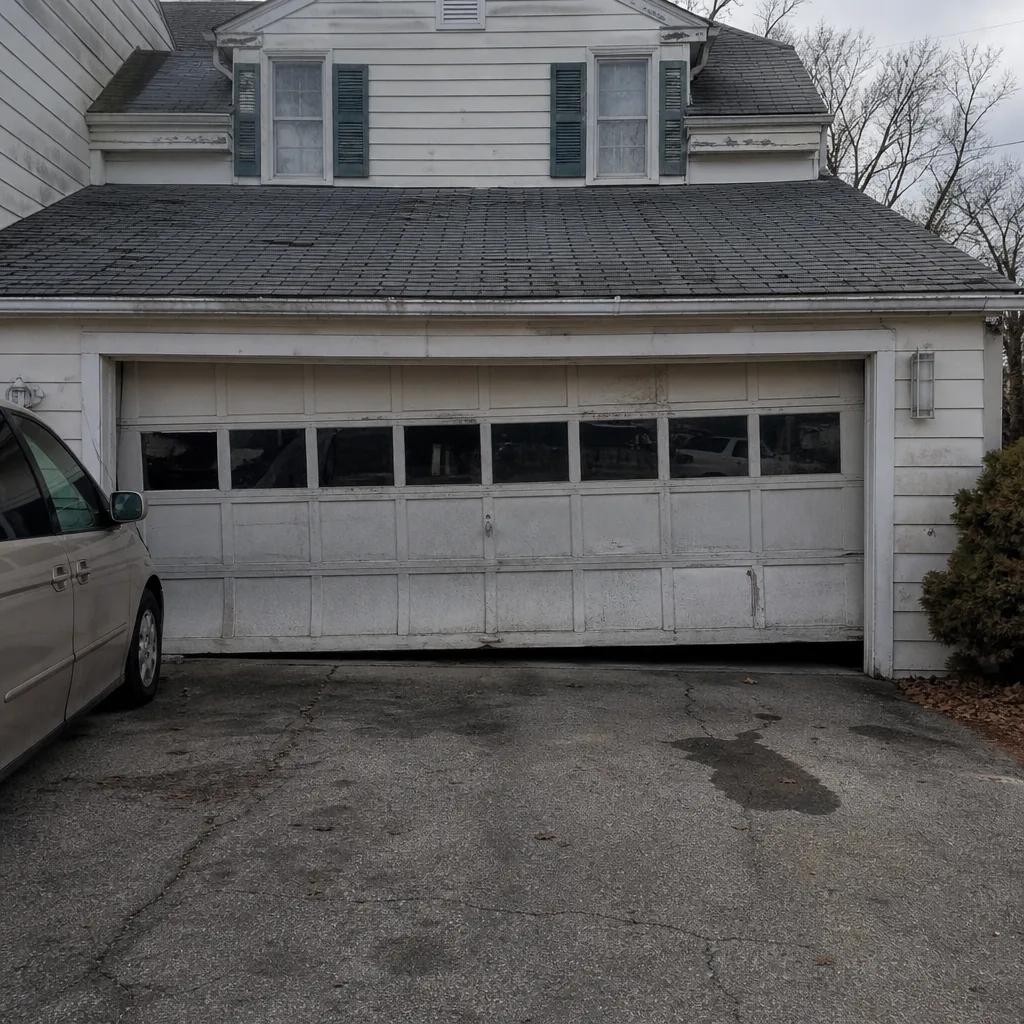 Before
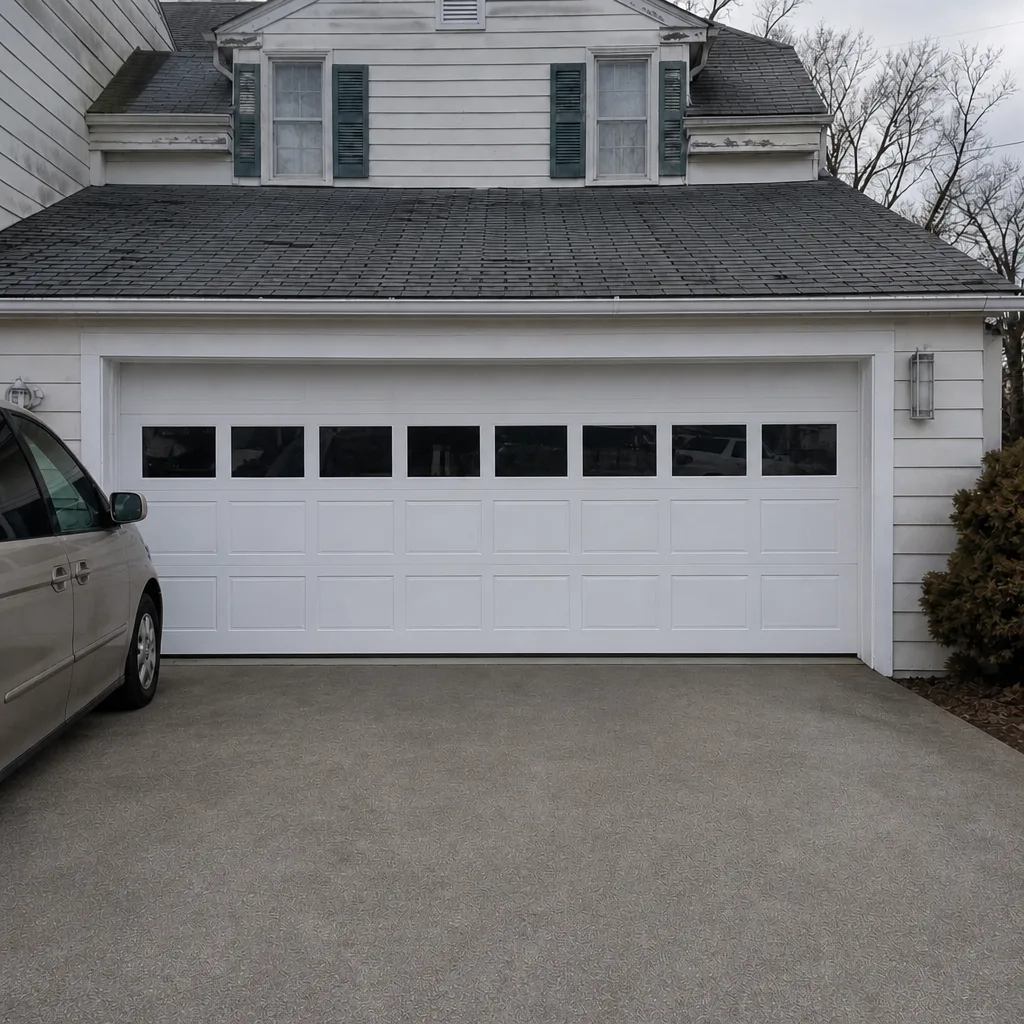 After
When to Call a Professional
Some garage door issues are safe to watch and diagnose. These aren’t: a loud bang followed by the door not opening (broken spring), a door that slams down instead of closing smoothly (cable or balance failure), a door that reverses for no reason (opener sensor or force calibration), or any visible fraying on the cables that lift the door. If the door is stuck halfway and won’t move manually, stop pulling on it – it’s under tension, and that’s a trained-professional call. Past that, anything that involves opening the opener unit, adjusting springs, or working on the cables is a specialist’s job. Lynn Garage Door Repair Pros offers free estimates in Lynn: call (844) 542-3157 for a same-day visit and a written price before anything is unbolted. Our technicians have up to 11 years of experience.
Frequently Asked Questions
The cost depends entirely on what’s being done, and the number that matters is the one on the written estimate. A spring repair is a different job from an opener repair, which is different again from a new door. The way to keep the price honest in Lynn is the same everywhere: get a written quote that itemizes parts, labor, and warranty, and confirm the price is set before work starts. Call (844) 542-3157 for a free estimate.
Massachusetts doesn’t issue a specialty license specifically for garage door work, which is why verifying business registration and insurance is the homeowner’s main protection. Ask for the legal business name and a certificate of general liability insurance, then confirm the policy is active with the insurer. That two-step check is what stands in for a specialty license here. Call (844) 542-3157 and we’ll walk you through what to ask any contractor.
Ask directly which brands they work on regularly, and name yours. A specialist trained on your brand – LiftMaster, Chamberlain, Genie, Clopay, Amarr, Wayne Dalton, Craftsman, or Raynor – will answer without hesitation. A generalist will usually say “all of them,” which in practice means none. Our team works on all eight of those brands regularly. Call (844) 542-3157 if you’re unsure which brand you have and we’ll help you identify it.
For a door that’s stuck, unsafe, or won’t close, same-day service is the right call. We answer 24/7, and fast dispatch from 7am to 7pm means a technician can typically be out the same day. A call outside dispatch hours is booked into the next opening, Sunday through Friday, 7am to 7pm. Call (844) 542-3157 and we’ll get you a time.
A usable quote includes diagnosis fee (if any), itemized parts with spring or opener specifications, labor broken out separately, warranty terms in writing, and the final price agreed before work starts. If any one of those is missing, ask for it. If the company won’t provide it in writing, that’s your answer about how the job will go. Call (844) 542-3157 for a quote that lists all five.
The written estimate sets the final price. If the scope genuinely changes once the door is inspected, a legitimate contractor stops, explains the difference, and gets written approval before continuing. Nothing should change silently. Call (844) 542-3157 for a free estimate and a price we stand behind before any work begins.
The Bottom Line
Hiring a garage door contractor in Lynn comes down to four checks: confirm the business registration and insurance in writing, match the technician’s brand training to your equipment, demand an itemized quote with a stated warranty, and compare quotes on specific parts instead of total price. Massachusetts won’t hand you a specialty license to verify, so your screening process stands in for it. The right specialist will have all four answers ready without being pushed. The wrong one will make the price look like the whole conversation. Call (844) 542-3157. We answer 24/7. Fast dispatch from 7am to 7pm, Sunday through Friday.
Written by the team at Lynn Garage Door Repair Pros.