
Last updated November 22, 2026
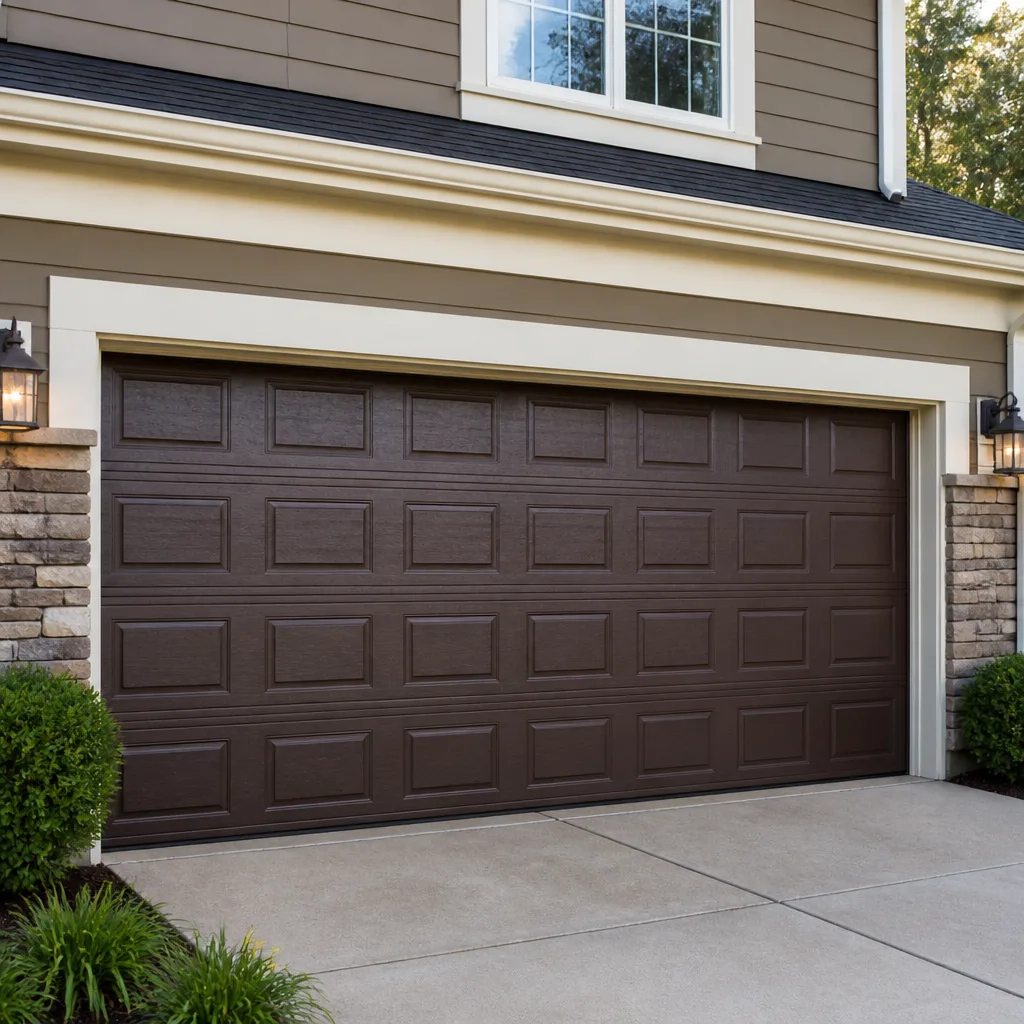 Raised-panel steel
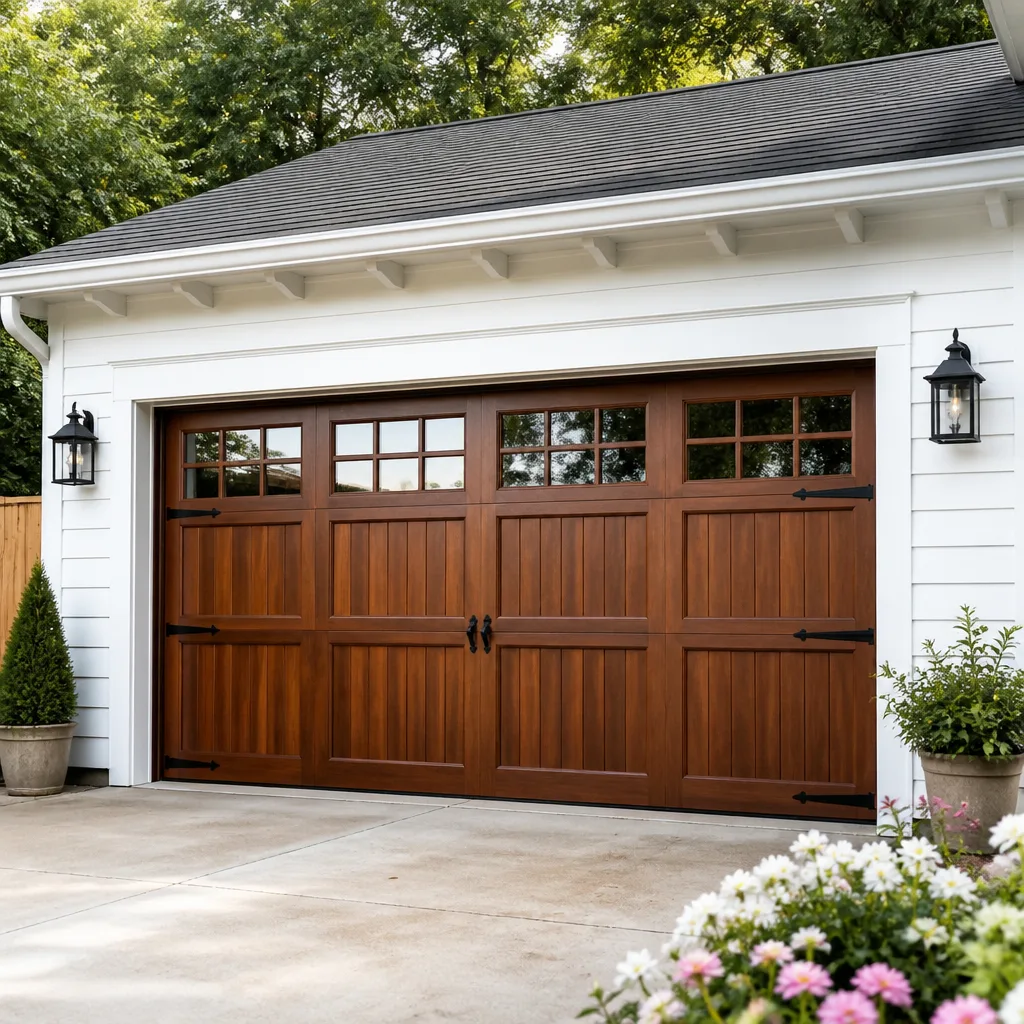 Carriage house
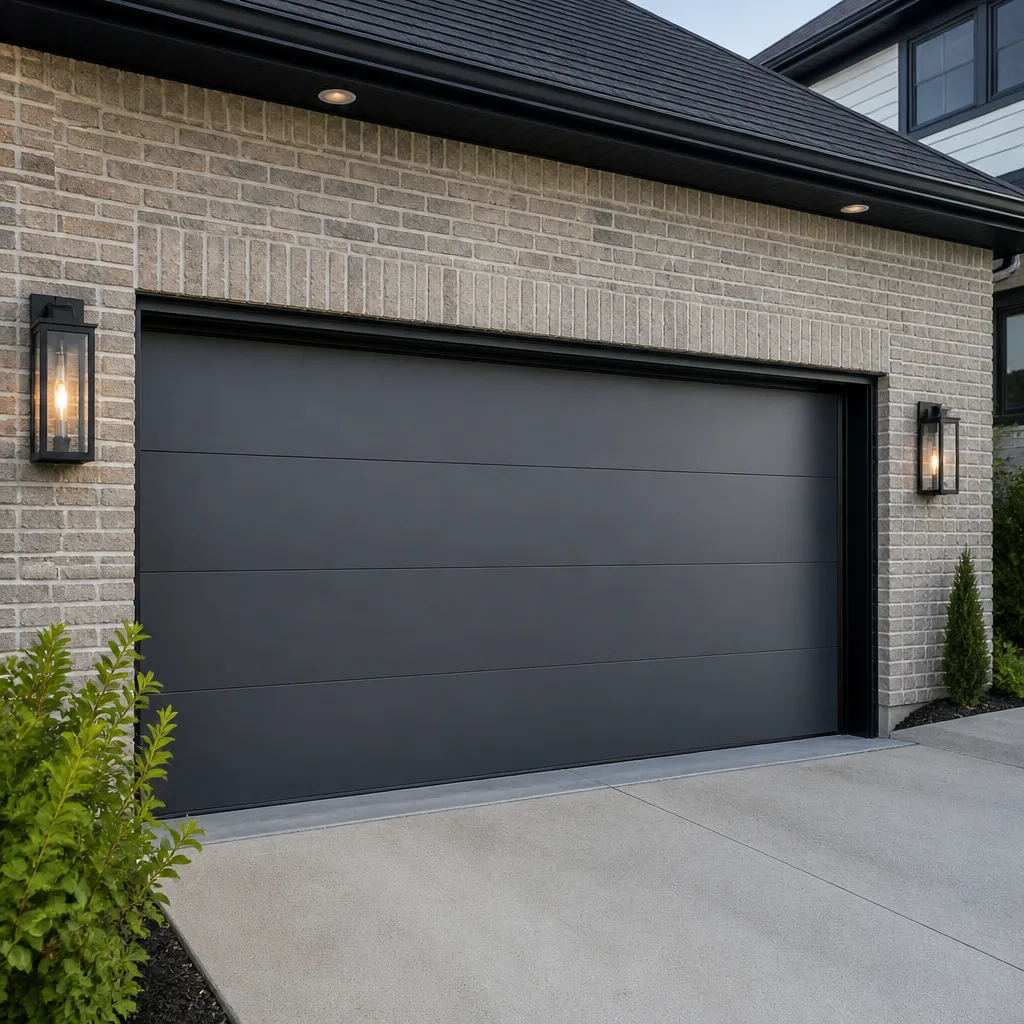 Modern flush
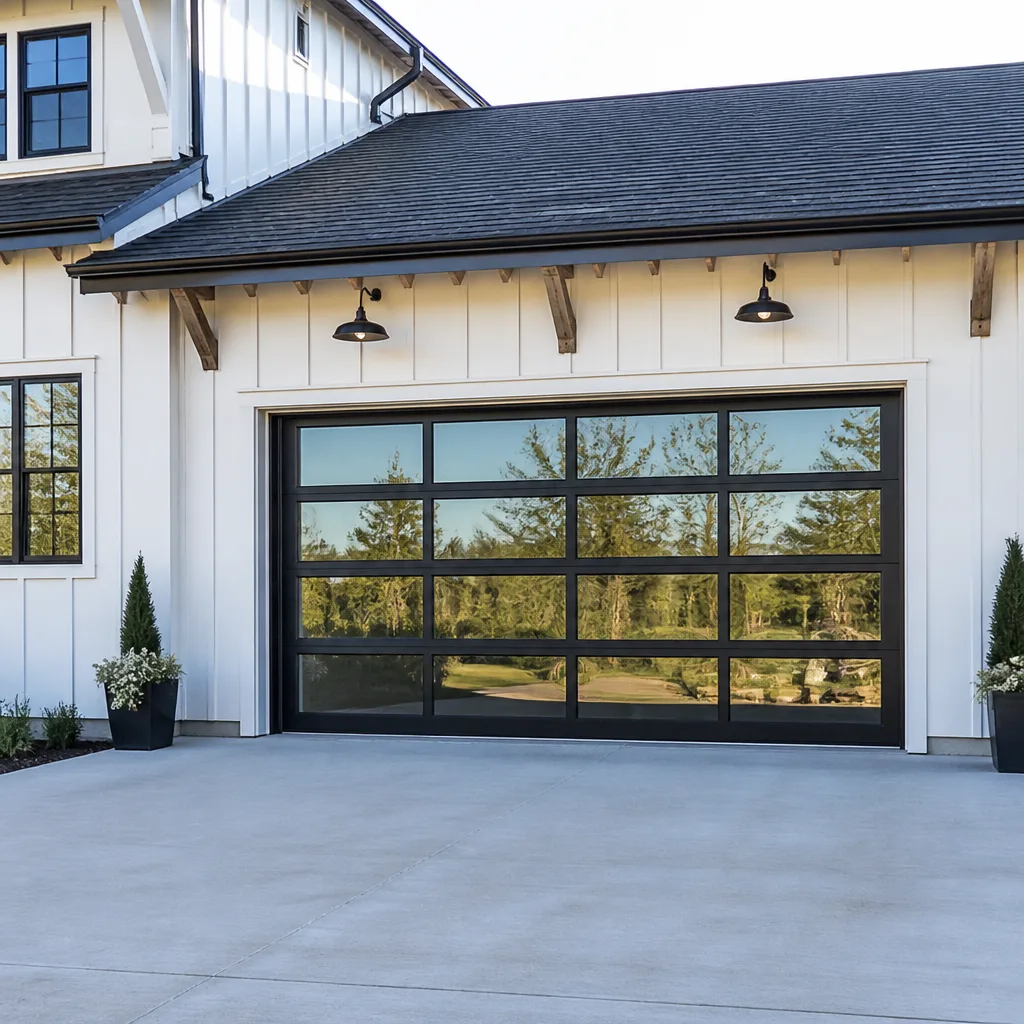 Full-view glass
 LiftMaster openers
 Chamberlain openers
Full 25-point door and opener safety check with every visit - springs, cables, rollers, tracks, and your LiftMaster or Chamberlain opener included
You get a price before we start. It does not change when the pro arrives.
Get your free estimateSeasonal Garage Door Care for Lynn: Year-Round Homeowner’s Guide
The garage door problem that shows up in February in Lynn was almost always set up in October. That’s the part most homeowners miss. A door that’s been quietly collecting grit and moisture since the leaves fell doesn’t announce itself until the first hard freeze locks everything in place and the opener starts straining against a track that’s trying to move in directions it shouldn’t. A single annual tune-up doesn’t really fit a place with Lynn’s seasonal range. Coastal Lynn gets four distinct kinds of stress across the year, and each one hits your door differently. In this guide we’ll walk you through what to check and when, how the seasons here actually work on springs, cables, seals, and tracks, and how to read the warning signs before they turn into a broken door on a cold morning.
Quick Answer
Seasonal garage door care in Lynn means matching your maintenance to what each season actually does to the door: fall is for weatherseal, bottom seal, and track alignment ahead of freeze-thaw; winter is for watching cables and springs for the effects of cold and damp; spring is for checking thresholds and tracks after frost heave; summer is for humidity-driven swelling and torsion spring tension. Check your door once a season and have a technician inspect springs and cables once a year.
Styles & brands we work with
- Raised-panel steel
- Carriage house
- Modern flush
- Full-view glass
- LiftMaster openers
- Chamberlain openers
Table of Contents
- Why Lynn’s Seasons Hit Garage Doors Differently
- Fall: Sealing the Door Before the Frost Line
- Winter: Cold, Damp, and the Wear You Can’t See
- Spring: Frost Heave, Thresholds, and Track Alignment
- Summer: Humidity, Wood Doors, and Spring Tension
- Month-by-Month Task Index
- Tools and Products That Hold Up Here
- What You Should Never Adjust Yourself
Why Lynn’s Seasons Hit Garage Doors Differently
A garage door in Lynn faces a different set of pressures than one thirty miles inland. The temperature swings are similar, but the moisture is not. Lynn sits close enough to the harbor that the air carries more dampness through the year, and the freeze-thaw cycle on the ground runs deeper and holds longer. Those two things working together are what make a Lynn door’s maintenance calendar its own thing.
The main differences to keep in mind:
- Wetter cold. Winter cold here comes with damp air. Metal parts stay wet longer, and that matters for cables, springs, and every hinge pin.
- Deeper freeze-thaw. The soil under and around the garage slab moves more across the season. It pushes up and settles back, and over time that works on the door’s alignment from below.
- Longer humid stretch. Summer humidity hangs around. Wood doors absorb it. Springs paired to a heavier, wetter door carry more load than they were set for.
- Nor’easter pressure. Storms coming up the coast bring wind-driven rain that tests every seal on the door, especially the bottom and the sides.
Lynn’s older housing stock adds to this. Many garages in neighborhoods like Diamond District, Wyoma, and the Highlands were built decades ago with wood-framed openings and doors that have seen their share of seasons. Those doors can still be in excellent shape, but they reward attention more than a newer steel door does. Understanding this is the difference between a maintenance routine that fits Lynn and a generic checklist copied from somewhere else.
Fall: Sealing the Door Before the Frost Line
Fall is the highest-leverage season for garage door care in Lynn, and skipping it is a big reason January service calls climb. The goal is simple: get every gap and seal tight before the cold sets in, so that winter can’t get inside the door and start working on the parts you can’t see.
What to check in fall
- The bottom seal. This is the rubber strip along the bottom edge of the door. Run your hand along it with the door closed and look for cracks, flat spots, or a hard, brittle feel. A seal that has gone stiff won’t compress against the floor, and once the cold arrives it stops sealing at all. This is the single most important check before winter in Lynn.
- The weatherseal around the sides and top. Same test, different location. Look for gaps, tears, or seal that has pulled away from the frame. Wind-driven rain from a nor’easter finds those gaps.
- The threshold under the door. Look at where the door meets the floor. A big gap, or a floor that’s starting to look uneven, is a sign the slab is moving. Note it now and watch it through the winter.
- Track alignment. With the door up, sight along each vertical track. It should be straight and plumb. A track that’s out of line in October will be worse after a winter of freeze-thaw.
- Hinge and roller condition. Worn rollers, loose hinge screws, or metal that’s starting to pit are all worth addressing before the season turns.
- Lubrication. A light application of the right lubricant on hinges, rollers, and the torsion spring helps keep metal parts protected through the damp cold.
The bottom seal check deserves the most attention because it’s the one most homeowners skip. A worn bottom seal lets cold air and moisture in, and over a winter in Lynn that moisture speeds up corrosion on the cables and springs. Fixing a seal in fall is far easier than dealing with the consequences in February. If you’re not sure what condition your seal is in, that’s a good moment to have someone look. Our garage door repair service covers seal replacement and track adjustment, and the estimate is free so you know the number before anything gets touched.
Winter: Cold, Damp, and the Wear You Can’t See
Winter is when the consequences of a skipped fall show up, but it’s also when the local air does its own quiet work on the door. Lynn’s winter dampness matters more than the temperature itself for the metal parts. Cold makes steel more brittle, and moisture that lingers on it speeds up corrosion on cables and springs. On a door near the harbor, where the air stays damp through the season, that combination runs its course faster than it would further inland.
What winter asks of you
- Watch for a door that strains. If the opener sounds like it’s working harder than usual, don’t ignore it. Cold stiffens lubricant and seals, and a door that’s slow in January is telling you something.
- Listen at the springs and cables. A single sharp pop from the spring area is the classic warning. If you hear it, don’t run the door. Call for garage door spring repair and leave the door closed until someone looks.
- Keep the bottom seal clear. Ice and packed snow can build up at the threshold. Clear it so the door isn’t fighting frozen debris on the way down.
- Don’t force anything. If the door stops partway or reverses on its own, stop using it. Forcing an opener against a frozen or misaligned door is how small problems become bigger ones.
- Check the cables visually. You’re looking for fraying, kinks, or rust at the drum. Don’t touch them. Just note what you see and mention it if you call.
Winter is also when spring failure is most common, simply because that’s when the parts have been through the most stress. Springs are under extreme tension and a trained technician handles them with the proper tools and the door in the correct position. We want to be direct about this: the springs and cables on a garage door are dangerous to work on, and adjusting them without the right training and equipment can cause serious injury. We do our own spring repair in-house rather than sending it out, because the job deserves a specialist. If a spring is broken, don’t run the door and don’t try to work on it. Call and we’ll sort out the timing.
Spring: Frost Heave, Thresholds, and Track Alignment
As the ground thaws in Lynn, the soil around and under your garage slab moves back. That movement is called frost heave, and while it’s a normal part of a New England spring, it does real work on the garage itself. When the slab shifts, the door’s threshold changes with it. And when the threshold changes, the geometry of the whole door follows.
How frost heave shows up on your door
- A gap under the bottom seal. A gap that wasn’t there in the fall, or a gap that appears along one side of the floor, is the clearest sign the ground has moved.
- A track that’s starting to go out of plumb. Sight along the vertical tracks in spring. If a track is bowed or tilting, the door is moving out of line and rollers will wear faster.
- A door that rubs or drags. If you hear a metallic scrape or the door hangs up partway, the door may be sitting uneven against the tracks.
- The opener working harder. A door that’s become slightly misaligned makes the opener labor. Left alone, that can wear the opener itself.
Spring is the right time to check track alignment and the threshold and to note any change from what you saw in fall. It’s also a good moment to look at the door’s overall travel: does it open and close smoothly and stop level with the floor? If something’s off, that’s a track and alignment job, not a door that needs replacing. For any opener concern that shows up in spring, our garage door opener repair covers the main brands, so a Genie or a LiftMaster is a familiar sight rather than a puzzle.
Summer: Humidity, Wood Doors, and Spring Tension
Summer in Lynn brings humidity that lasts for weeks. For wood doors, that means swelling. For the springs paired to any door, it means the load the door puts on them changes as the door itself changes weight and dimension with the moisture. It’s a quieter season for failures than winter, but it’s the season where the door sets itself up for the next cold cycle.
What to watch in summer
- Wood door swelling. Wood absorbs moisture and swells, and a panel or frame that swells can affect how the door sits in the opening. Notice if the door has started to fit differently or if a panel is binding.
- Torsion spring tension. A heavier, damper door puts more load on the springs. If the door feels harder to lift manually (test with the door disengaged from the opener and with your hands clear of any pinch points), or if the opener is struggling, the spring tension may be out of calibration.
- Hardware loosening. Heat and humidity work on hinges and fasteners. A quick visual pass in late summer catches screws that have backed out.
- Seal condition after a season of use. The bottom seal takes a beating all year. By late summer it’s a good time to recheck it for stiffness and cracks.
Doors made by Clopay, Wayne Dalton, and Amarr are common in Lynn, and each brand’s construction handles moisture a bit differently. Knowing which door you have matters when it comes to tuning the springs and the door’s balance. If you’re not sure of the brand, check the door’s edge or the inside panel for a small label. That’s the kind of detail that saves time when a technician arrives. For summer humidity in older wood-door garages, the best defense is regular visual checks and keeping the tracks clean.
Month-by-Month Task Index (Lynn-Adjusted)
This is the seasonal schedule we’d hand a Lynn homeowner. None of these are big jobs. They’re quick checks that keep you ahead of the weather instead of catching up after it.
- September. Check the bottom seal and side weatherseal for stiffness, cracks, or gaps. This is your most important fall task. Lubricate hinges, rollers, and the torsion spring lightly.
- October. Sight the vertical tracks for plumb. Check hinges and rollers for wear. Look at the threshold where the door meets the floor. If anything is loose or worn, get it looked at now.
- November. Clear the threshold of debris before cold sets in. Confirm the bottom seal compresses evenly against the floor.
- December through February. Watch and listen. Note any strain, pops, or reversing. Keep the threshold clear of ice and packed snow. Don’t force a stuck door.
- March. After the thaw settles, check the threshold and bottom seal again. Look for new gaps from frost heave. Sight the tracks for any lurch or bow.
- April. Check track alignment and roller wear. Test the door’s balance with the opener disengaged and with your hands clear.
- May through August. Look for seal and hardware wear from the busy season. On a wood door, watch for swelling and binding. Late summer is a good time to recheck the bottom seal before the fall cycle starts again.
A technician inspection once a year is the easy way to make sure nothing’s hiding. Our technicians have up to 11 years of experience, and a look at your springs, cables, and track before the heavy season is worth it. For a broader repair overview, Lynn Garage Door Repair Pros covers the full range of what we handle.
Tools and Products That Hold Up in Lynn’s Climate
Lynn’s mix of damp cold and long humidity means some products hold up better than others. You don’t need a specialty catalog. A few basics, chosen well, do the job. What follows is what tends to last here rather than what’s cheapest at the counter.
- A garage-door-specific lubricant. Use a lubricant meant for garage door hardware, not a general-purpose spray. The right product stays put through the damp and doesn’t attract grit. Dry Teflon-style sprays work well on hinges and rollers. A proper spring lubricant on the torsion spring keeps the coils from corroding.
- A quality bottom seal. When you replace the bottom seal, choose a durable rubber that stays flexible in cold. A soft, pliable seal compresses against the floor in winter and spring, a stiff one doesn’t. This matters more in Lynn than in a dry climate.
- Weatherseal for the sides and top. A good side seal should flex with the door and stay put through wind-driven rain. Look for a seal designed for the door’s frame and check its condition each fall.
- A level, tape measure, and flashlight. Standard tools for watching track alignment and reading your door’s condition. A light helps you see cable wear and seal cracks in the fall.
- Do not buy spring or cable replacement parts. The springs and cables are not a do-it-yourself item. A garage door’s springs carry enormous tension even when the door is closed, and the wrong tool or the wrong position is how people get hurt. Buy the lubricant and the seal. Leave the springs to a trained technician.
- A notebook or phone note for seasonal observations. A simple running log of what you checked and what changed makes it easy to explain to a technician what’s been going on, and it helps you notice the drift from one season to the next.
What You Should Never Adjust Yourself
Most of what’s in this guide is checking and cleaning, and a careful homeowner can do most of it. But there’s a line between checks and adjustments. On the other side of that line are the springs, the cables, the opener’s tension settings, and anything that changes the door’s balance or travel. Those are dangerous to touch without training.
- Springs. The torsion springs on the door carry extreme tension. A spring under tension can release suddenly, and the tools and technique for safe work are a trained technician’s trade. We don’t want a homeowner anywhere near them.
- Cables. The cables that run with the springs are under load too. They can fray and snap. Do not try to tighten, adjust, or reposition them.
- The opener’s force and limit settings. Adjusting these to force a door that’s out of line is dangerous, not a fix. If the door needs more force to close, the door or the track has a problem.
- Track adjustments that change the door’s path. A track that’s out of plumb needs proper realignment, and getting that wrong can let the door come off track.
The right move is to describe what you’re seeing and have a professional look. For any of these, call (844) 542-3157. We answer 24/7. Fast dispatch from 7am to 7pm, Sunday through Friday.
Common Mistakes to Avoid
- Waiting for spring to think about the door. By then the damage from winter is done. Fall is when the highest-value work happens in Lynn, and a bottom seal check in October is worth more than any repair in February.
- Assuming the door will last on the same schedule as inland. The damp air near the harbor and the deeper freeze-thaw cycle mean metal parts here wear differently. A routine built for a drier climate will miss what’s happening to your cables and springs.
- Forcing a stiff door. A garage door that resists in cold weather is telling you it needs attention. Holding the button down while the opener grinds through it turns a small fix into an opener or door replacement.
- Skipping the bottom seal. It’s the cheapest part on the door and the one that lets in the cold and moisture that cause the most damage. Check it every fall.
- Ignoring a track that’s out of line after the thaw. Frost heave moves the ground, and a track that’s gone slightly out of plumb in spring gets worse through the year. Address alignment when you see it.
- Using WD-40 or a general spray as door lubricant. It attracts grit. Use a lubricant made for garage door hardware.
- Letting a wood door swell and bind without a look. Humidity swelling on a Clopay, Amarr, or Wayne Dalton wood door is normal, but binding and strain are signs to check the balance and hardware before the problem grows.
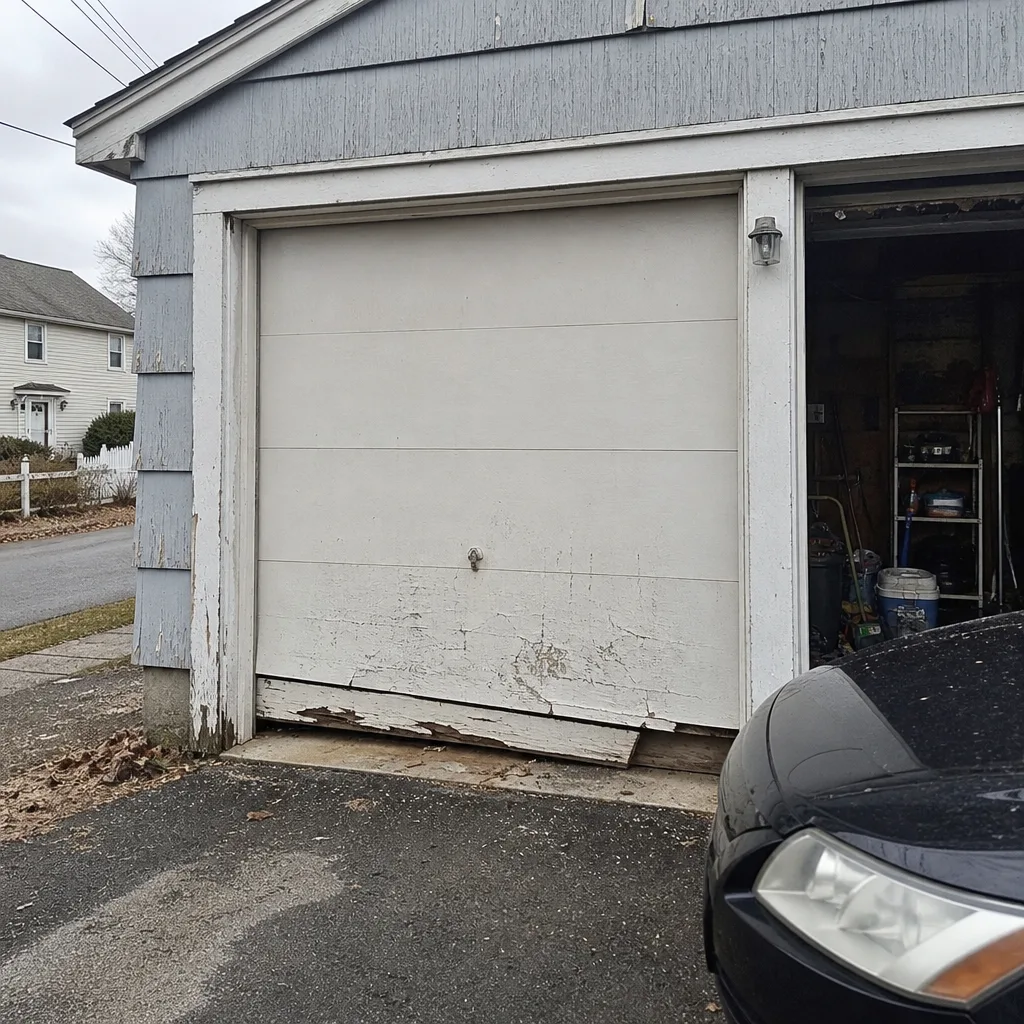
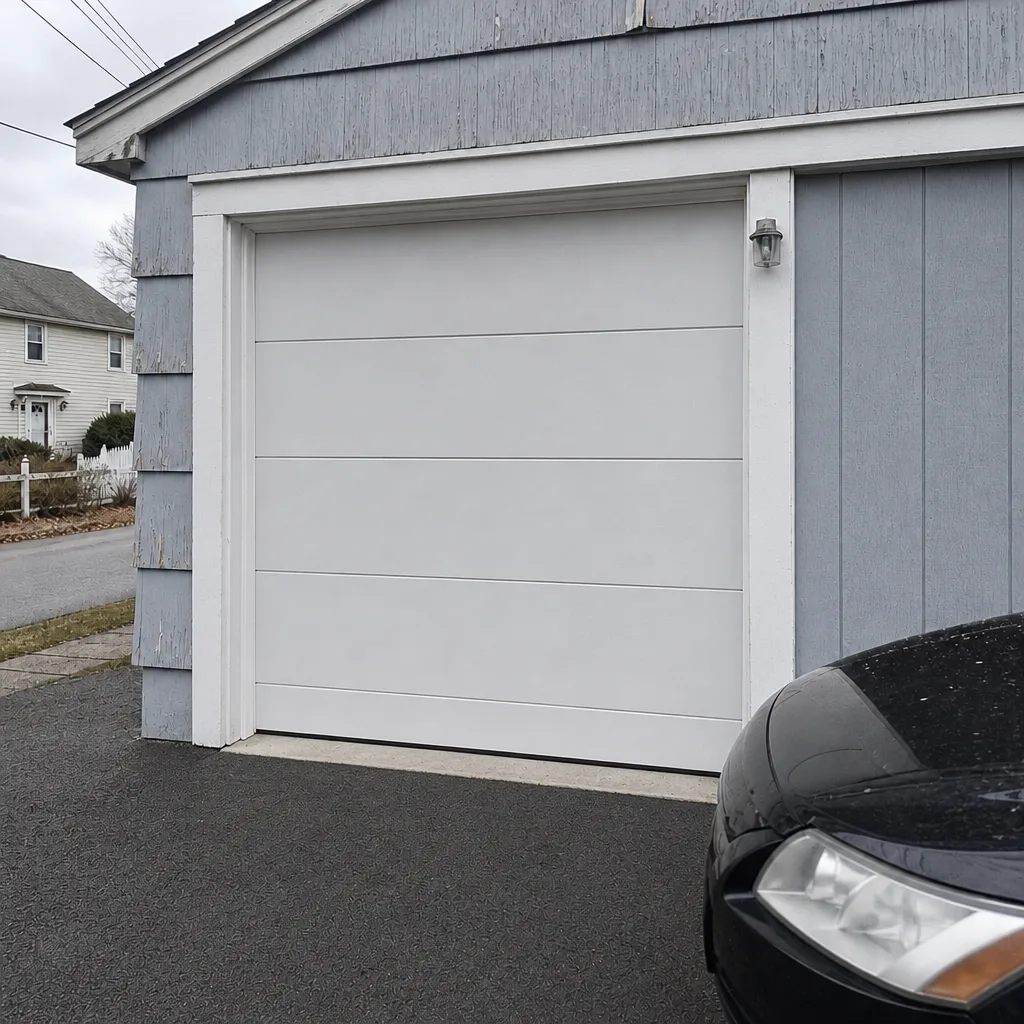
See the difference
 Before
 After
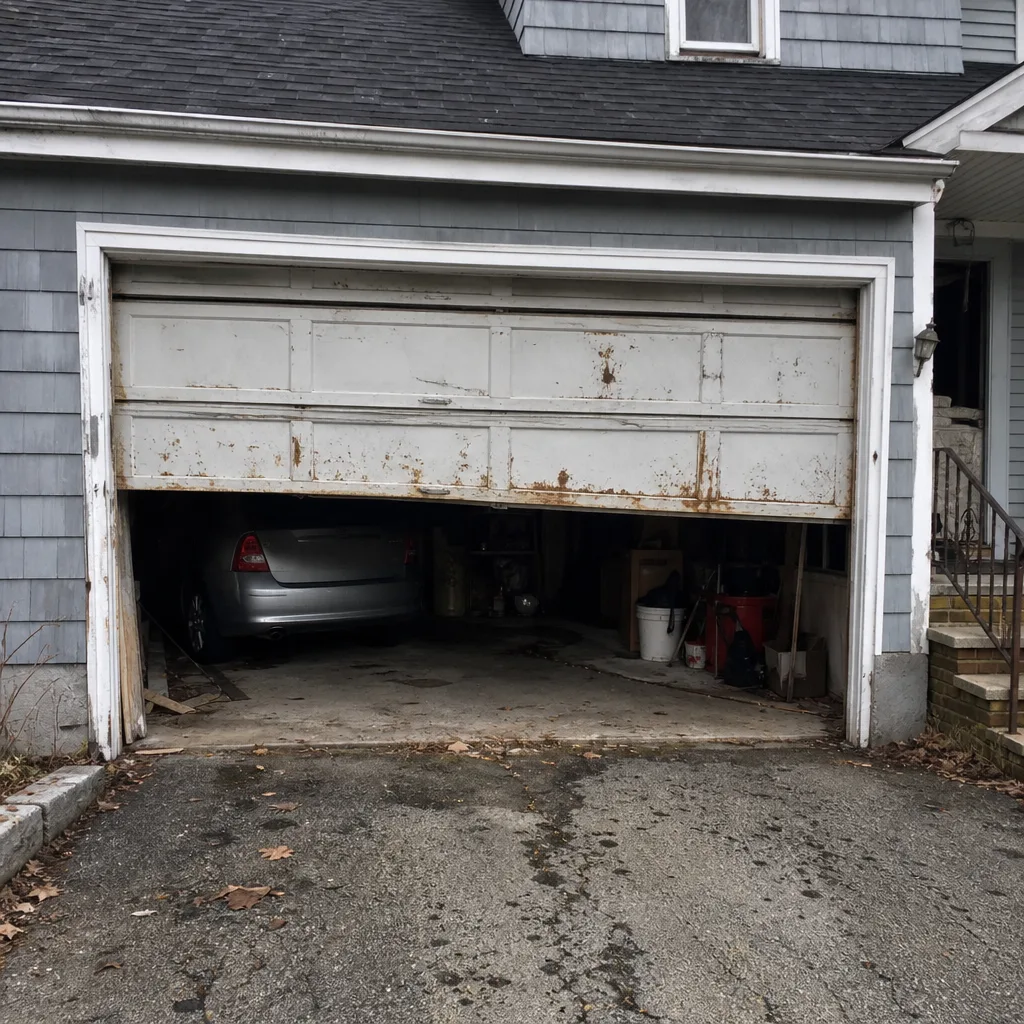 Before
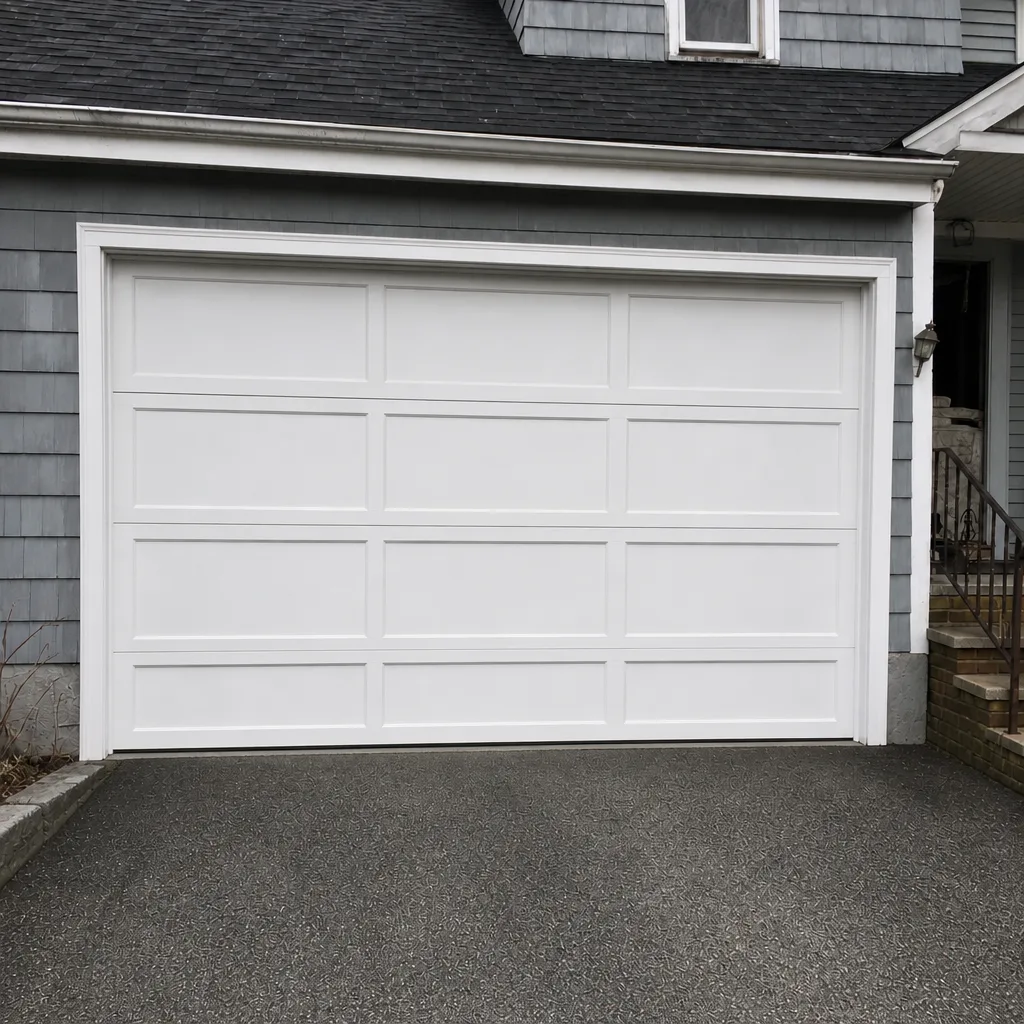 After
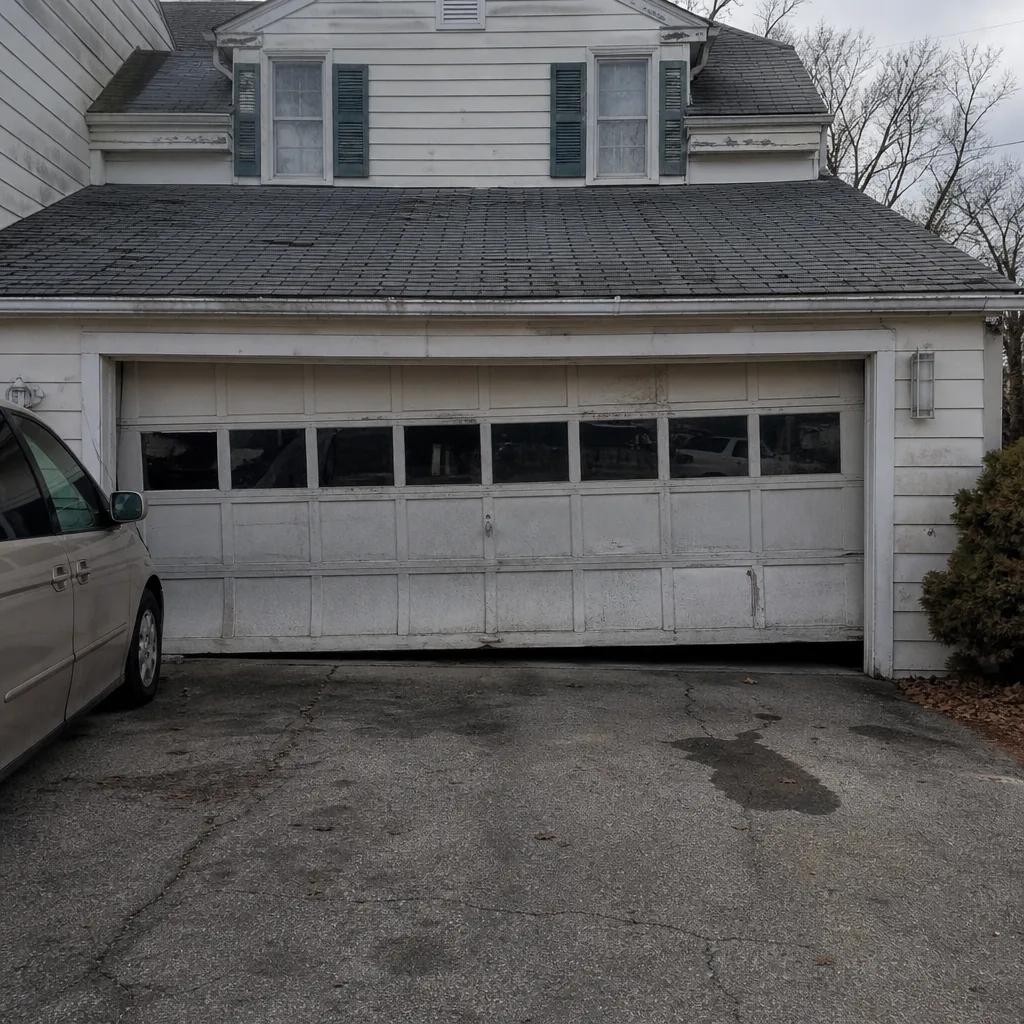 Before
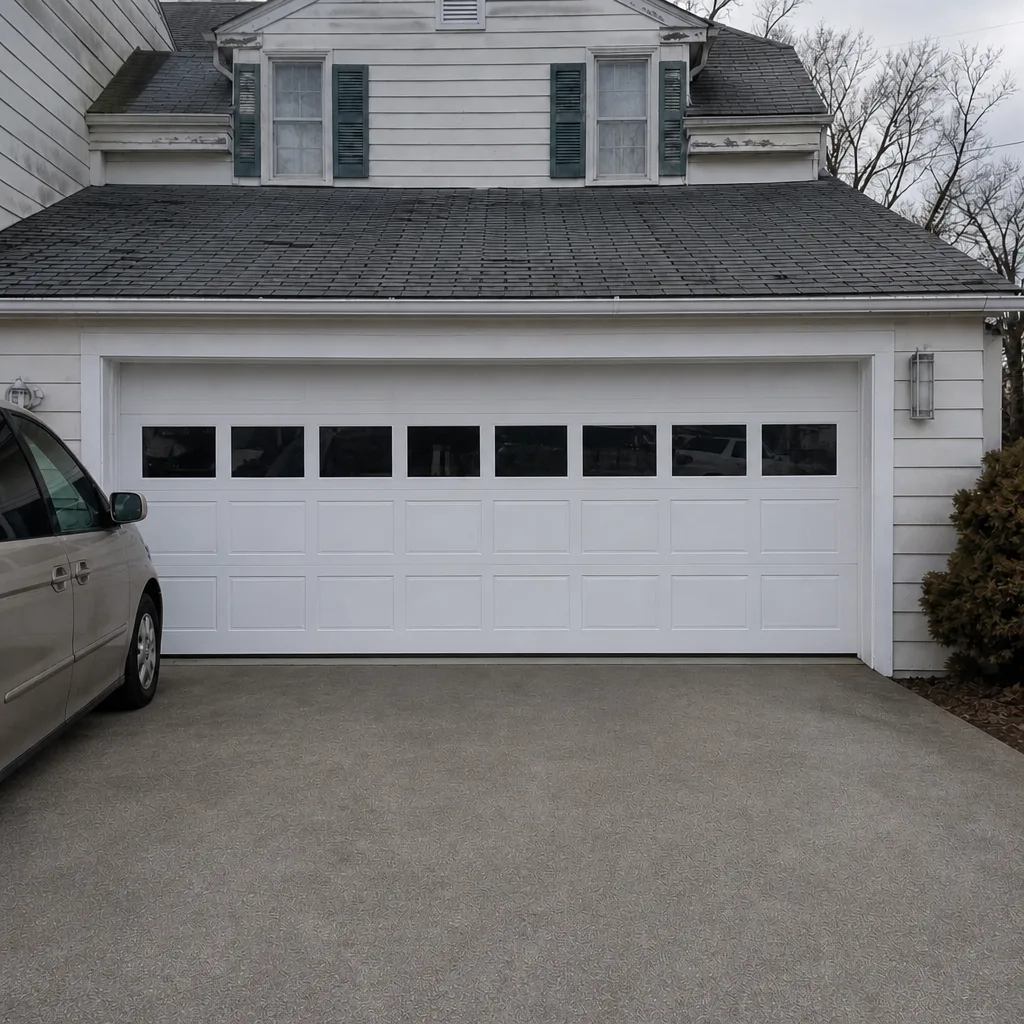 After
When to Call a Professional
Regular checks keep most problems small, but some things clearly need a trained eye. Call a professional if you find a worn or broken spring, a frayed or kinked cable, a door that comes off its track or hangs uneven, or an opener that’s reversing on its own or working much harder than it used to. A door that’s come loose from the opener, a track that’s been knocked out of line, or a garage opening that no longer seals are all good reasons to get someone out. Same for anything you’re unsure about after the fall or spring checks. In Lynn, Lynn Garage Door Repair Pros offers free estimates – call (844) 542-3157 to get an exact quote before any work starts. The price is quoted and agreed before we begin, so there’s no surprise on the invoice.
Frequently Asked Questions
Once a year is the usual recommendation, ideally in fall before the cold sets in. In Lynn’s climate, seasonal checks you do yourself in fall and spring add a lot of value between professional visits. The annual service catches spring and cable wear you can’t see, and the seasonal checks catch seal and track problems early. If you have an older wood door, checking twice a year is worthwhile.
Winter is when the effects of a skipped fall show up. Cold stiffens seals and lubricant, damp air speeds up corrosion on cables and springs, and the parts that were already worn get pushed over the edge. The most common failure this time of year is a broken torsion spring. If your spring broke, don’t run the door: the door is heavy without spring support and the parts are dangerous to touch. Call for spring repair instead.
Run your hand along the bottom seal with the door closed. If it’s hard, brittle, cracked, or doesn’t compress against the floor, replace it. A seal that’s gone stiff stops keeping cold air and moisture out, and in Lynn that moisture is what works its way into the springs and cables. Checking this in the fall is the best way to protect the door through winter.
Yes. When the ground freezes and thaws, the garage slab can shift slightly, and that changes the height and level of the threshold the door closes against. Over time it can throw the door’s alignment off and put the tracks out of plumb. Check the threshold and track alignment each spring, and if a gap or a lean appears, get it looked at before it gets worse.
No. Garage door springs are under extreme tension and are dangerous to work on. Adjusting or replacing them requires the right tools and training, and the wrong move can cause serious injury. This is one of the reasons we do our spring work in-house. Leave the springs and cables to a trained technician, and call for an estimate. Estimates are free, so you’ll know the price before anyone touches the door.
Yes. We’re trained and experienced across eight major brands: LiftMaster, Chamberlain, Genie, Clopay, Amarr, Wayne Dalton, Craftsman, and Raynor. That covers nearly every door and opener in Lynn homes. The local pros we connect you with are licensed and insured as their state requires. Our technicians have up to 11 years of experience. Call (844) 542-3157 to get started.
The Bottom Line
The core idea is simple: in Lynn, garage door care is a year-round calendar, not a once-a-year event. Check your seals, bottom seal, and tracks in fall before the cold. Watch and listen in winter, and don’t force anything. Check the threshold and alignment in spring after the thaw. Watch for wood swelling and spring tension in summer. Have a technician look once a year at the parts you shouldn’t touch. None of it is hard. Doing it keeps your door working through every season, and it means the February call becomes a maintenance visit instead of a break.
Our technicians have up to 11 years of experience, and we work on the brands you’re likely to have. If you have questions about your door, call (844) 542-3157 for a free estimate. We answer 24/7. Fast dispatch from 7am to 7pm, Sunday through Friday. The written estimate sets the price, and it’s quoted and agreed before any work starts. Call Lynn Garage Door Repair Pros today.
Written by the team at Lynn Garage Door Repair Pros.