
Last updated November 22, 2026
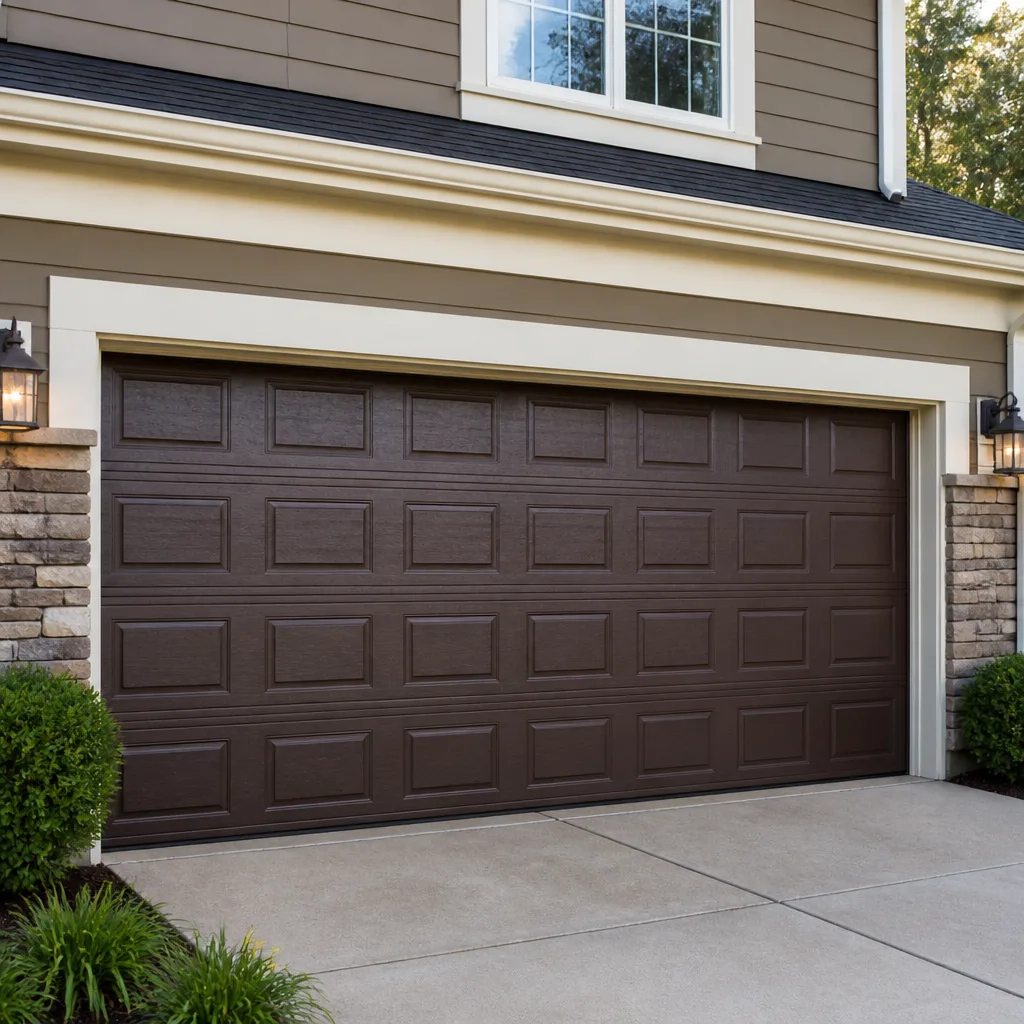 Raised-panel steel
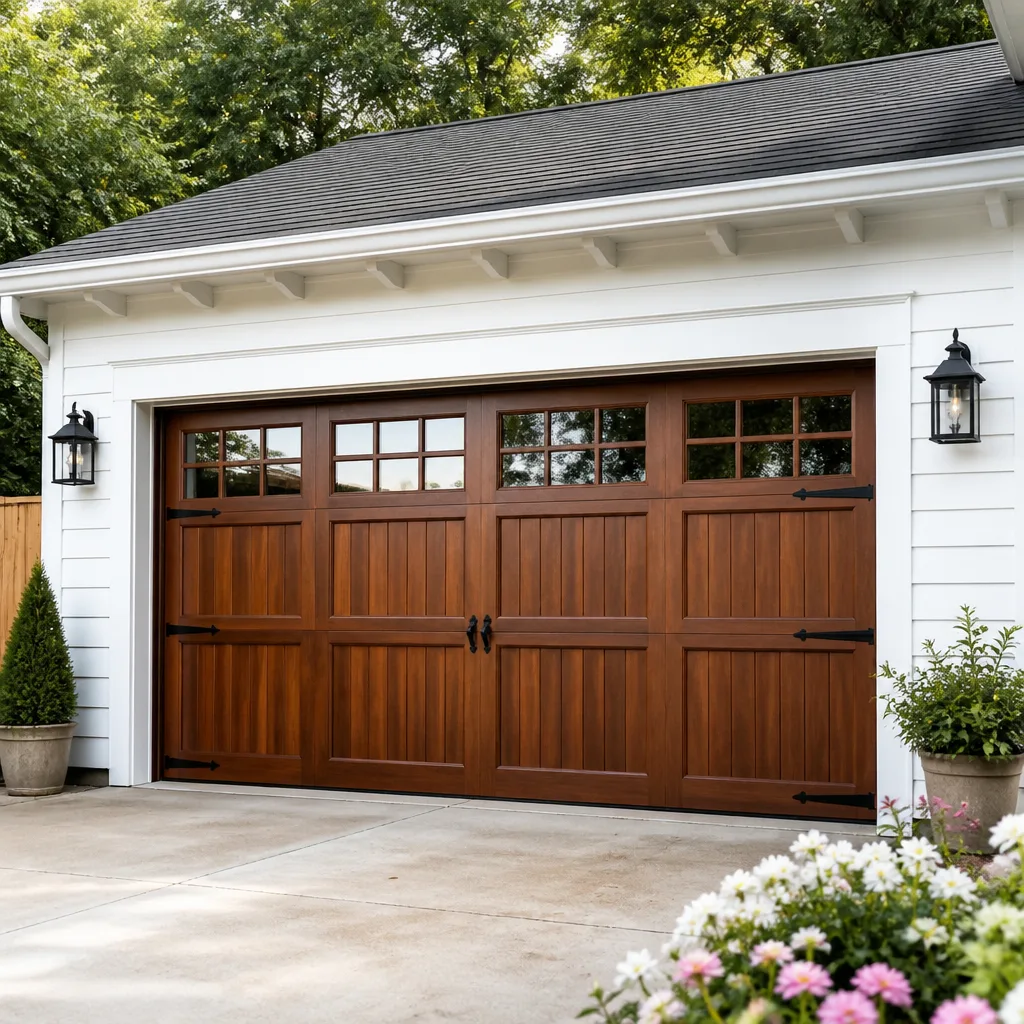 Carriage house
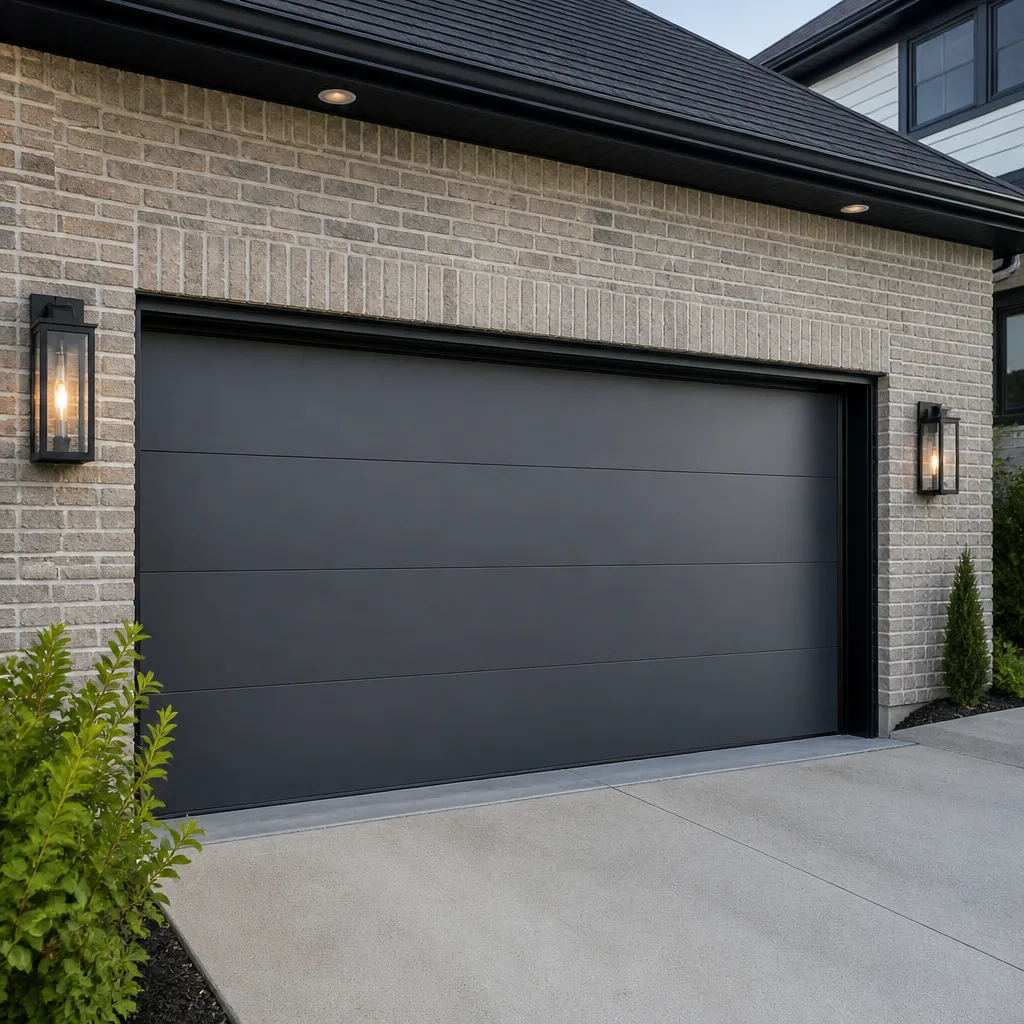 Modern flush
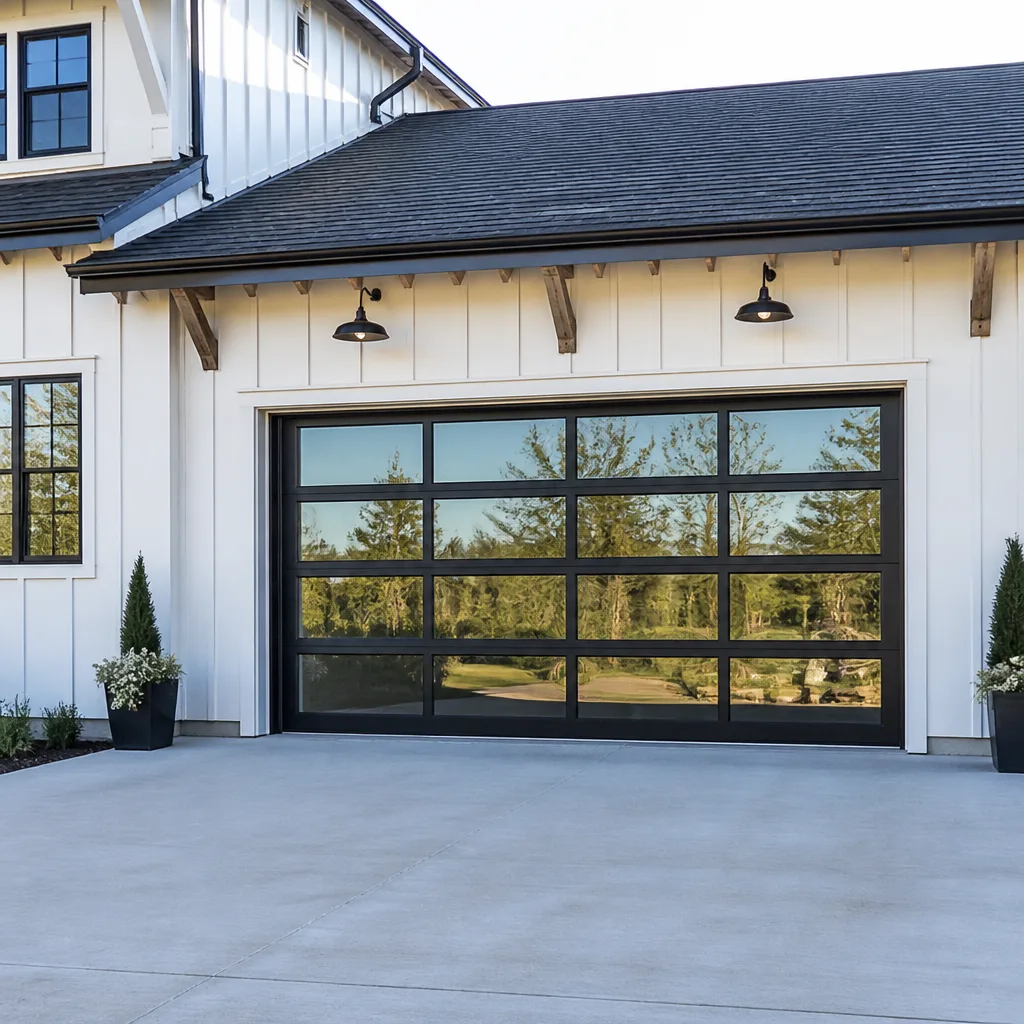 Full-view glass
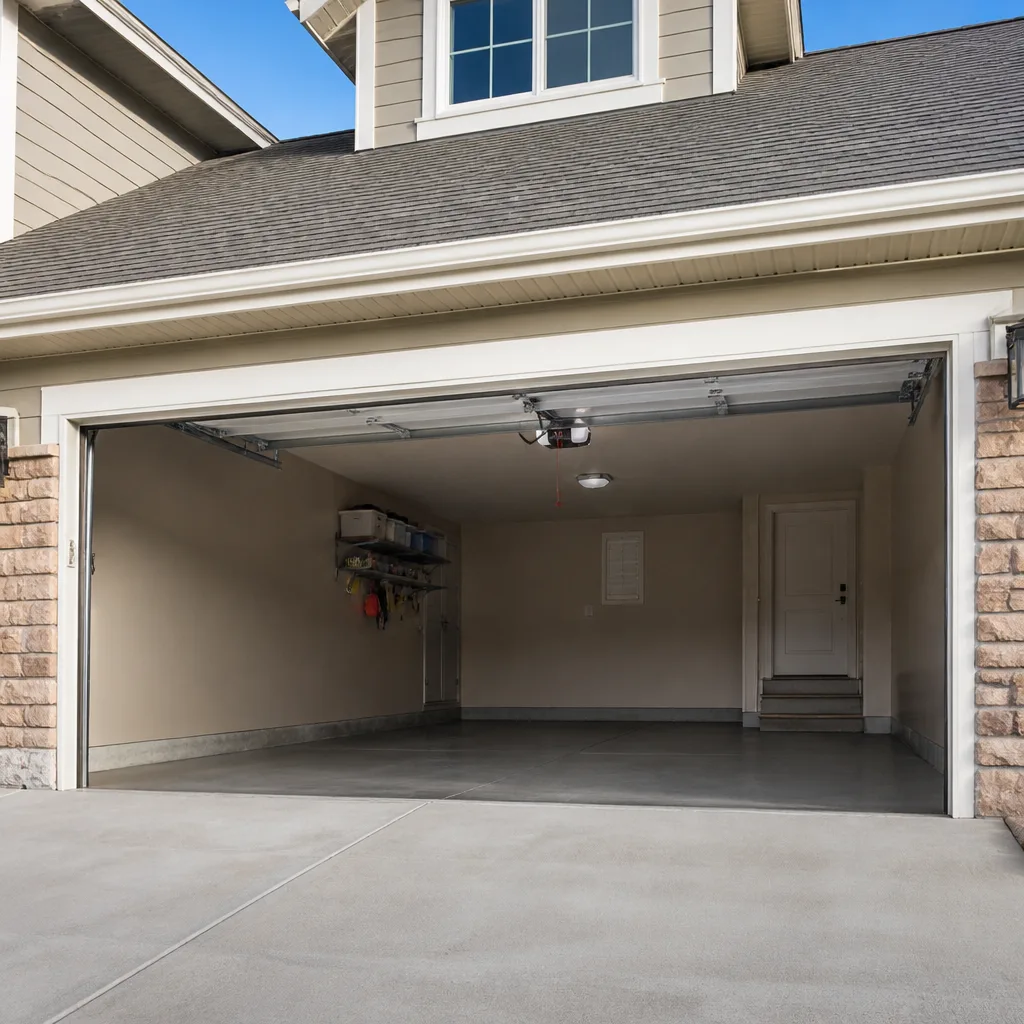 LiftMaster openers
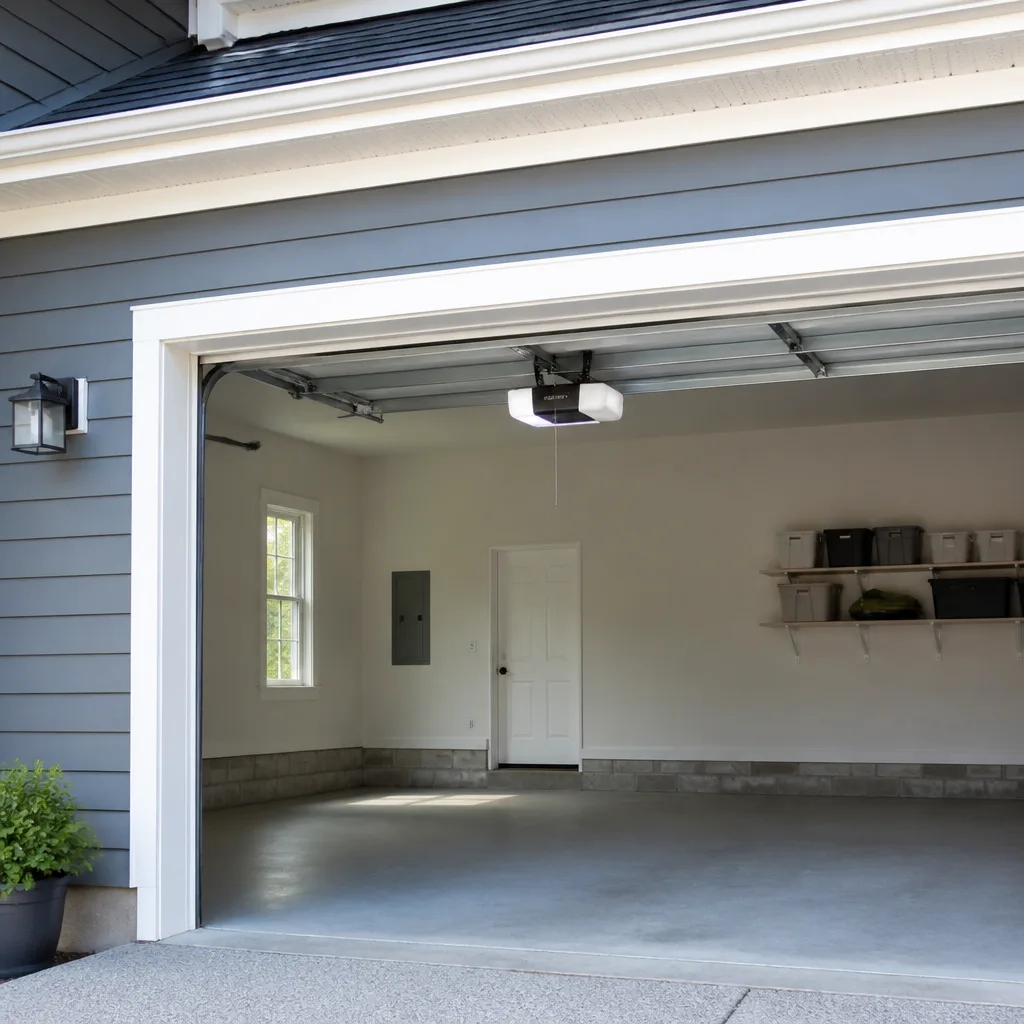 Chamberlain openers
Full 25-point door and opener safety check with every visit - springs, cables, rollers, tracks, and your LiftMaster or Chamberlain opener included
You get a price before we start. It does not change when the pro arrives.
Get your free estimateGarage Door Warning Signs: A Lynn Homeowner’s Reference Guide
Most homeowners judge a garage door problem by how much it inconveniences them, not by how dangerous it actually is. A door that shudders on the way up gets ignored for weeks because it still opens. A door that moves unevenly gets called “annoying” when it usually means one spring is now carrying the full load of a two-spring system, and that spring is overdue to snap. Reading the warning signs correctly is the difference between a simple repair and a car crushed under a fallen door. This guide sorts garage door symptoms into three urgency tiers so Lynn homeowners know exactly which signs mean stop using the door today and which can wait a week. We’ll cover what to look for, what each symptom usually means, and how to test your own door safely without tools.
Quick Answer
Garage door warning signs fall into three urgency levels: signs that mean stop using the door immediately (broken spring, frayed cable, door off its tracks, door that won’t stay up), signs that need a professional within 48 hours (grinding noises, uneven movement, opener straining), and signs you can monitor and maintain (minor squeaks, slow opener response, weather seal wear). If you see or hear anything in the first tier, stop operating the door and have a trained technician inspect it before anyone uses it again. The most dangerous signs are often the quietest, and in our experience a snapped torsion spring is the one Lynn homeowners most often mistake for a minor mechanical hiccup.
Styles & brands we work with
- Raised-panel steel
- Carriage house
- Modern flush
- Full-view glass
- LiftMaster openers
- Chamberlain openers
Table of Contents
- The Three-Tier Urgency System
- Tier 1: Signs That Mean Stop Using the Door Today
- Tier 2: Signs That Need a Professional Within 48 Hours
- Tier 3: Signs You Can Monitor and Maintain
- Why Lynn’s Older Homes Produce False Positives
- Opener Warning Signs vs. Door Hardware Warning Signs
- How to Safely Test Door Balance by Hand
- Common Mistakes to Avoid
- When to Call a Professional
The Three-Tier Urgency System
Garage doors break in patterns, and those patterns tell you how fast to act. Instead of treating every symptom the same, sort what you’re seeing or hearing into one of three tiers. This is the framework our technicians use on every call in Lynn, and it’s the single most useful thing you can learn from this guide.
The tiers are built around risk, not inconvenience. A door that’s slightly louder but still balances correctly and stays down is a maintenance item. A door that’s quiet but won’t stay up is a hazard. Learning to tell the difference protects your car, your family, and your wallet.
How the tiers break down
- Stop using the door now. Broken spring, snapped or frayed cable, door off its track, door that won’t stay down or won’t stay up. These are safety issues, not repair tickets. A garage door under spring tension can weigh hundreds of pounds, and a failed component can release that weight in an instant.
- Schedule a repair within 48 hours. Grinding or scraping noises, uneven movement, opener straining or reversing, visible track bends, door sagging on one side. These signals point to a component that’s wearing out or has already failed partially. They get worse, not better, and running the door accelerates the wear.
- Monitor and maintain. Squeaks, slow opener response, weather seal cracking, minor rattles, visual wear on rollers. These are the routine items that respond to lubrication, adjustment, or replacement before they escalate.
Any door in Tier 1 gets handled by a trained technician, full stop. Tier 2 gets booked for the next available visit. Tier 3 goes on your seasonal maintenance list. Knowing which tier you’re in is what lets you act quickly when it matters and skip the wasted service call when it doesn’t.
Tier 1: Signs That Mean Stop Using the Door Today
These are the warning signs where the safe move is to stop operating the door and call for help. Springs and cables are the highest-energy parts of the whole system, and they don’t give a lot of advance warning.
Signs that mean stop using the door immediately
- A visible gap in the torsion spring. Torsion springs sit above the door and wind up to counterbalance its weight. When one snaps, it usually shows a clear break, and the door becomes extremely heavy or completely immovable.
- Extension springs hanging loose or broken. These run along the sides on older doors. A snapped extension spring can whip toward anything nearby, which is why they need containment cables.
- Frayed, kinked, or snapped cables. Cables lift the door and hold it under tension. A cable with broken strands or slack is one lift from failing completely.
- Door off its tracks. A roller out of the track, a bent vertical rail, or the whole door hanging crooked means the door can fall without warning.
- Door that won’t stay down. If the door drops or creeps back up after the opener stops, the spring or counterbalance system is out of adjustment or broken.
- Door that won’t open even by hand. If the opener is disengaged and you can’t lift the door, the springs have likely failed and the weight is now on the panel hardware.
What to do if you see any of these: leave the door down, keep cars out from underneath it, pull the emergency release only if you know you’re strong enough to lower the door slowly by hand, and call for service. Springs under tension are genuinely dangerous to handle, and this is the piece of the trade most people shouldn’t attempt themselves. If you suspect a broken spring, our garage door spring repair team treats it as the priority call it is. We work with the door’s current tension, verify the counterbalance is safe, and replace the matched pair together rather than leaving one tired spring to carry the full system.
If the door is stuck, jammed, or off its track and blocking your car in Lynn, that’s an emergency door situation, not a convenience one. Call and we’ll get you on the schedule for the fastest opening available.
Tier 2: Signs That Need a Professional Within 48 Hours
These are the symptoms that will escalate. They aren’t usually an immediate safety risk, but the door is telling you something is wearing out or partially failed, and continuing to run it daily shortens the life of the part that’s already struggling.
What to look and listen for
- Grinding or scraping as the door opens or closes. Usually dry rollers, worn bearings, or a roller out of its track. Grinding wears the metal surfaces it passes over, so it gets worse the longer it runs.
- Uneven movement or a door that sags on one side. One spring is often doing more work than the other, or a cable is slack. This is the classic sign of an unbalanced torsion or extension system.
- Loud bang or thump from the door. A sharp noise from the top of the door with no visible break is worth a same-week inspection, because a spring can weaken and partially fail before it goes.
- Opener straining or pausing mid-travel. A door that hesitates, reverses before closing, or needs multiple presses to close is usually fighting a hardware problem, not a dying opener.
- The door reverses without hitting anything. Safety sensors misaligned or a travel limit out of adjustment. It’s safe by design, but it’s signaling a problem.
- Visible bends in the track. A door that hit something or got nudged hard can have a bent horizontal track that throws everything off.
- Door pulls off the ground or leaves a gap at the bottom. The bottom seal or the door’s travel limit is out of alignment, and it lets in weather and pests.
On the North Shore, a door that hesitates in a cold snap is worth attention before the next cold snap. Lynn winters put a lot of stress on doors and openers, and a component that’s slightly off in fall tends to fail outright in January. Booking a Tier 2 repair inside 48 hours is cheaper than running the door until something breaks. If the opener is the thing straining, our garage door opener repair calls start with the door itself, since the opener is usually the messenger, not the culprit.
Tier 3: Signs You Can Monitor and Maintain
These signs are worth watching, and most respond to routine care. The goal here is to catch a small wear item before it becomes a Tier 1 or Tier 2 problem.
The monitor-and-maintain list
- Occasional squeaks and rattles. Rollers and hinges need lubrication around twice a year in a climate with real seasons. A drop of garage-door lubricant on rollers, hinges, and the torsion bar bearing plates is a reasonable homeowner task.
- Weather seal looking cracked or stiff. The bottom seal and side weatherstripping wear out. Replace when they no longer close against the ground or frame.
- Opener reacting slightly slower than usual. Sometimes a weak remote battery, sometimes the opener’s logic board is aging. Swap the battery first, then watch for repeat.
- Faint visual wear on rollers. Nylon rollers wear and get flat spots. Tired rollers turn into loud rollers, and loud rollers turn into track wear.
- Panel dents or cosmetic scratches. On steel doors like Clopay and Amarr, cosmetic dents don’t affect operation but should be checked so the panel isn’t binding against its neighbor.
We tell homeowners in Lynn that a five-minute check every season catches 80 percent of these. Stand in the garage, run the door up and down, and listen. Anything new on this list that gets louder or more frequent moves to Tier 2 and gets a professional look.
Why Lynn’s Older Homes Produce False Positives
A lot of Lynn homes were built in eras where garage door construction, framing, and track mounting looked very different from today’s. That matters because older homes produce sounds and movements that look like failures but often aren’t. Knowing the difference saves a service call.
Normal settling vs. actual track misalignment
Older garages settle. The concrete floor shifts, the framing above the opening dries and moves, and the walls can rack slightly over decades of freeze-thaw cycles. That means a door installed forty years ago often tracks a little differently than it did new, and the sound can be alarming without being broken.
Here’s how to tell the difference:
- Normal settling: the door moves evenly but makes a subtle wood-on-frame creak as it reaches the top. It stays level, stays down, and the opener isn’t straining. The noise is consistent and hasn’t gotten louder over the last month.
- Actual misalignment: the door sags on one side, one edge rubs against the frame, a roller pops out of its track, or the gap under the door is uneven across its width. The noise changes pitch or gets louder week over week.
The tell is repeatability. A settling sound is the same sound every time, at the same point in travel. A misalignment sound shifts and worsens. When you’re not sure, test door balance by hand (we show you how in the next section) and compare both sides. If the door feels balanced and the track looks true, the creak is usually just age. If it feels heavier on one side, it’s a spring or cable issue and belongs in Tier 2.
How Lynn’s heating and cooling cycle stresses doors
Doors in Lynn move through cold winters and humid summers, and the wood framing, metal tracks, and steel panels expand and contract at different rates. In cold snaps the metal tracks tighten and the door can bind slightly; in summer humidity the wood swells. That cycle is why track bolts loosen over a few years and why a door that ran smoothly in October can sound different in February. It’s a normal part of owning a door in this climate, and it’s why we check track fasteners and spring tension on every routine service call.
Opener Warning Signs vs. Door Hardware Warning Signs
One of the most expensive mistakes a homeowner can make is replacing an opener that only needed a repair, or grinding a freshly repaired opener into a door that was the actual problem. The fix is to figure out which system is failing before booking anything.
Signs the opener is the problem
- Remote works sometimes, or only at close range. Battery first, then safety sensor alignment, then opener logic board.
- Opener runs but the door doesn’t move. Could be a stripped gear, a broken drive belt, or a disengaged trolley. All opener-side issues.
- Opener light flashes in a pattern. Modern openers from LiftMaster, Chamberlain, Genie, and Craftsman use flash codes to report specific faults. That code tells a technician what’s wrong in minutes.
- Wall button works but remotes don’t (or the reverse). Usually a pairing, safety sensor, or logic board issue.
- Opener runs and stops at the same point every time. Travel limit setting, or a door resistance issue the opener is detecting. Needs a test to know which.
Signs the door hardware is the problem
- Door makes a loud noise when the opener runs. The opener is fine; it’s driving a door that’s grinding or binding.
- Door looks crooked, uneven, or off its tracks. Track, roller, or spring issue.
- Opener reverses when the door reaches a specific point. The door is getting harder to move at that point, and the opener’s safety system is responding correctly.
- Door is unusually heavy to lift by hand. Spring or cable problem, and the opener is straining to compensate.
If your opener is from one of the big brands, knowing which side of the system is failing changes the service call. We work on the equipment you actually have, from Clopay and Amarr doors to LiftMaster, Chamberlain, Genie, Craftsman, Wayne Dalton, and Raynor openers, so there’s no guesswork on your brand. Pairing the repair with the actual system that failed is what keeps a Lynn homeowner from paying for the wrong part.
How to Safely Test Door Balance by Hand
A balance test is the one diagnostic a homeowner can do without tools, and it tells you more about the door’s health than just about anything else you can see or hear from the ground. It takes about two minutes and requires no strength beyond what a healthy adult can manage.
The step-by-step balance test
- Close the door. Make sure it’s fully seated on the ground and nothing is in the way.
- Disengage the opener. Pull the red emergency release handle hanging from the opener’s trolley. This disconnects the opener from the door so you’re lifting the door, not the opener machinery.
- Lift the door by hand to about waist height. Use the bottom panel’s lift handle or the door’s frame, not the weather seal. Lift slowly and pay attention to how much effort it takes.
- Let go at waist height, slowly. Do not just release it. Support the door and let it go gently.
- Watch what the door does. A properly balanced door stays within a few inches of where you let go. If it slides down, the springs are weak. If it rises, the springs are too tight. If it drops quickly, stop the test and call a professional.
- Re-engage the opener. Pull the release handle again or run the opener once to re-catch the trolley.
A door that fails the balance test almost always needs a spring adjustment or replacement, and that’s a trained-technician job. Torsion springs are under extreme tension, and loosening or rewinding one without the right tools and training can cause serious injury. The balance test is a diagnostic, not a repair, and it’s the safe limit of what a homeowner should try.
If the door lifts easily but one side feels heavier than the other, you’ve found a spring or cable issue before it escalated. That’s a Tier 2 sign, worth a same-week inspection and a call. If the door won’t move at all or drops fast when you release it, that’s Tier 1 and it needs a professional today.
Common Mistakes to Avoid
- Treating a broken spring as a Sunday project. A torsion or extension spring under load can release its energy instantly and cause serious injury. Springs are the one part of a garage door where “I’ll figure it out” is genuinely dangerous.
- Continuing to run a door that’s off its track. Operating a misaligned door turns a bent track into a torn panel, and it can drop a door onto a car or a person. Stop using the door and get it inspected.
- Assuming every problem is the opener. In our experience on Lynn calls, the opener gets blamed for a lot of door-hardware problems. A noisy door is usually a door problem; a door that won’t respond at all is usually an opener problem.
- Diagnosing from a phone photo. A visible spring break is obvious in a photo, but track alignment, cable tension, and roller wear need to be seen from below the door at the right angle. Book an in-person inspection when the stakes are high.
- Ignoring a small but new sound. New sounds are information. A creak that started last week and a creak that’s been there for five years are different data points, and the new one is usually the one to look at.
- Letting the door sit in a broken state “until we get to it.” A broken door is also an open door from a security standpoint in a neighborhood where you’re relying on it to close. That combination is exactly what our emergency garage door service is for.
- Assuming older-home noise is normal. Lynn has plenty of homes where the garage framing has settled, and yes, some sounds are benign. But a door that changes behavior is rarely just settling. Get a second opinion before ignoring it for another winter.
When to Call a Professional
Call a professional the moment you see any Tier 1 sign, or the moment a Tier 2 sign has been present for more than a couple of days. If the door won’t close, won’t open, is off its tracks, has a broken spring, or is making a loud bang that came from above the door, those are the calls where waiting usually makes the repair bigger. If the opener won’t respond, has a repeating flash code, or reverses on its own, that’s a diagnostic question a technician can answer fast, and the fix is often smaller than the homeowner feared. If you’re unsure which system is failing, describe what you’re seeing and hearing when you call; the tier usually becomes obvious in the first minute.
Lynn Garage Door Repair Pros offers free estimates in Lynn and works on every major brand of door and opener. Our technicians have up to 11 years of experience, spring repair is handled in-house, and we cover the full range from repair and opener fixes to garage door repair and new door installation. Call (844) 542-3157. We answer 24/7. Fast dispatch from 7am to 7pm, Sunday through Friday.
See the difference
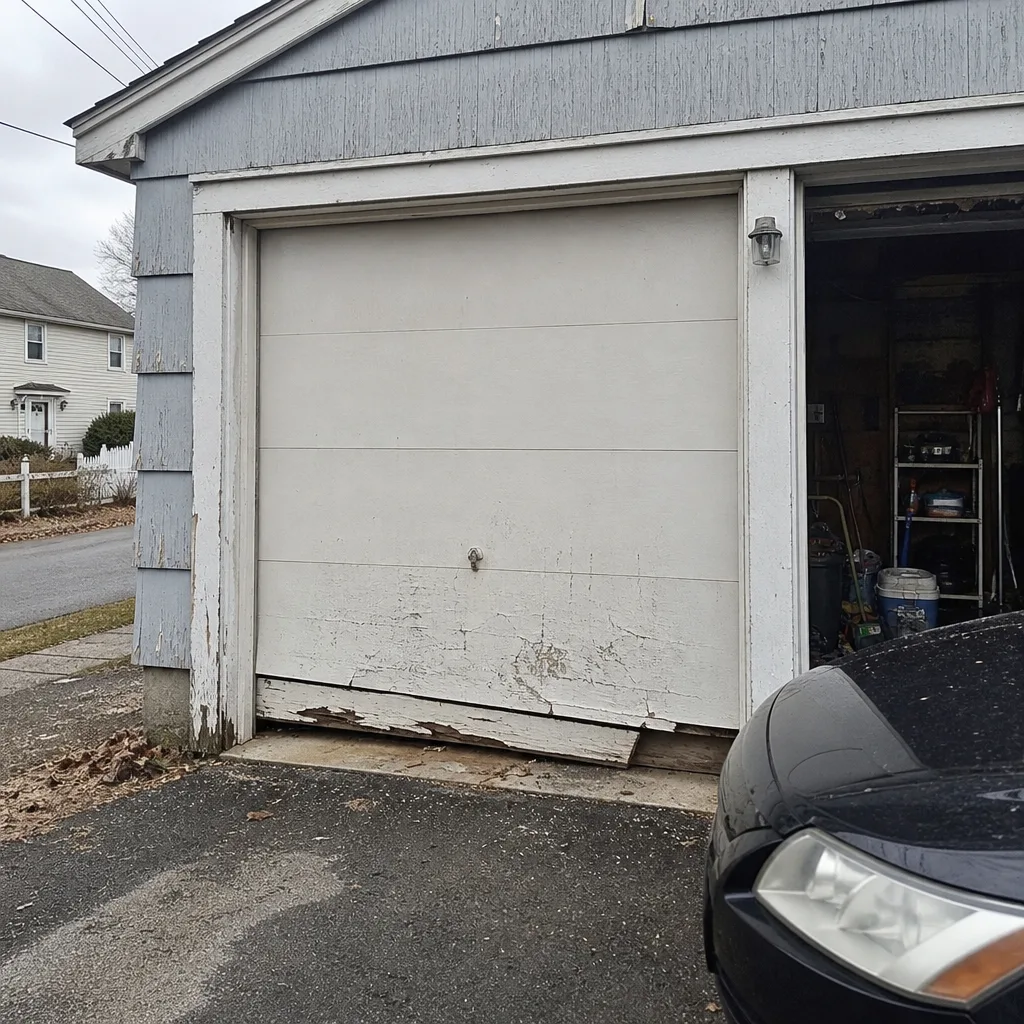 Before
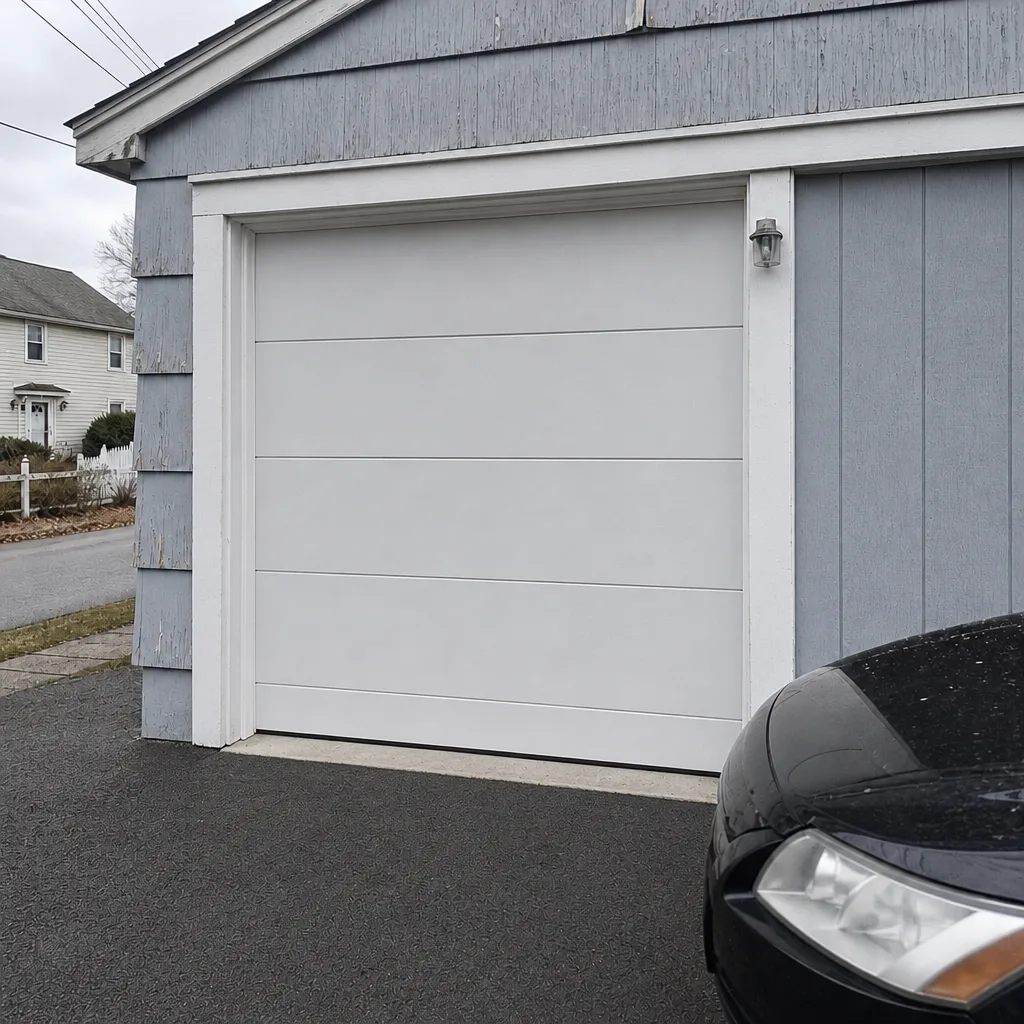 After
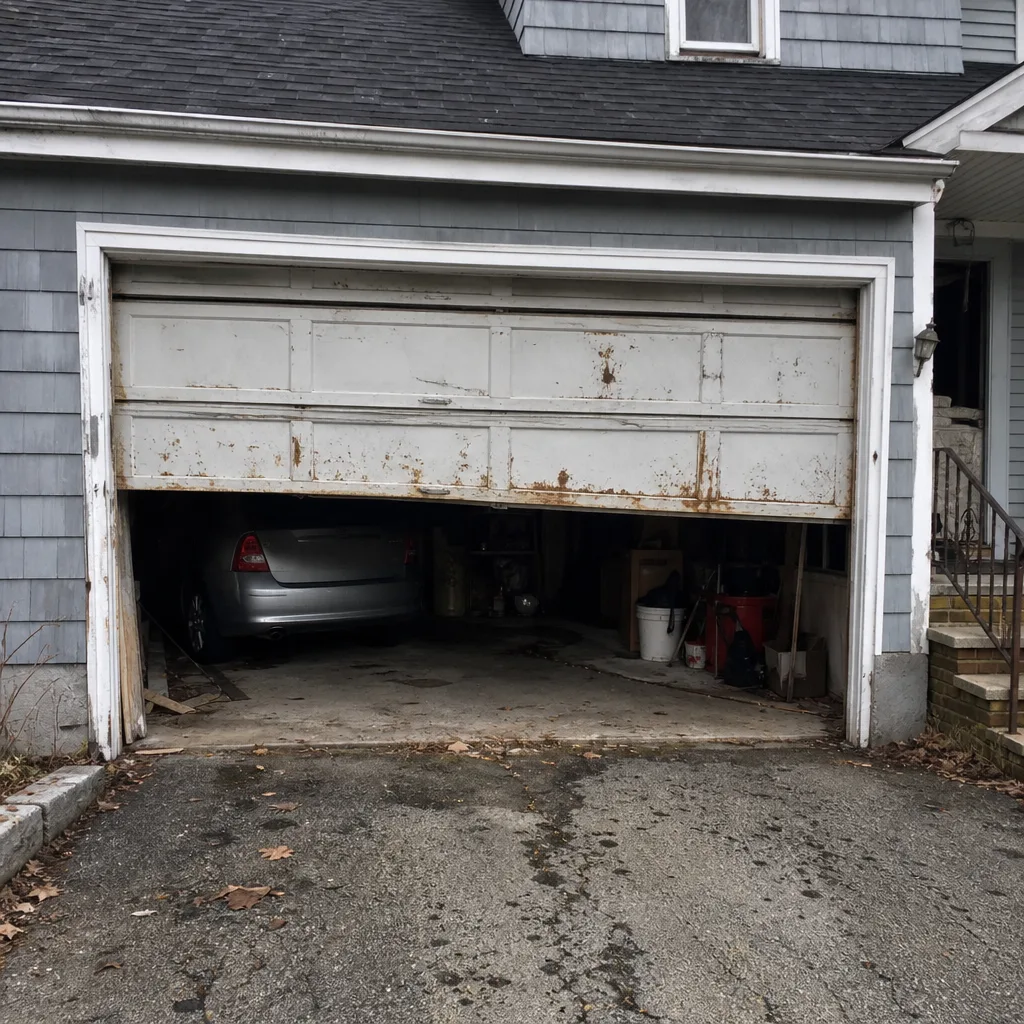 Before
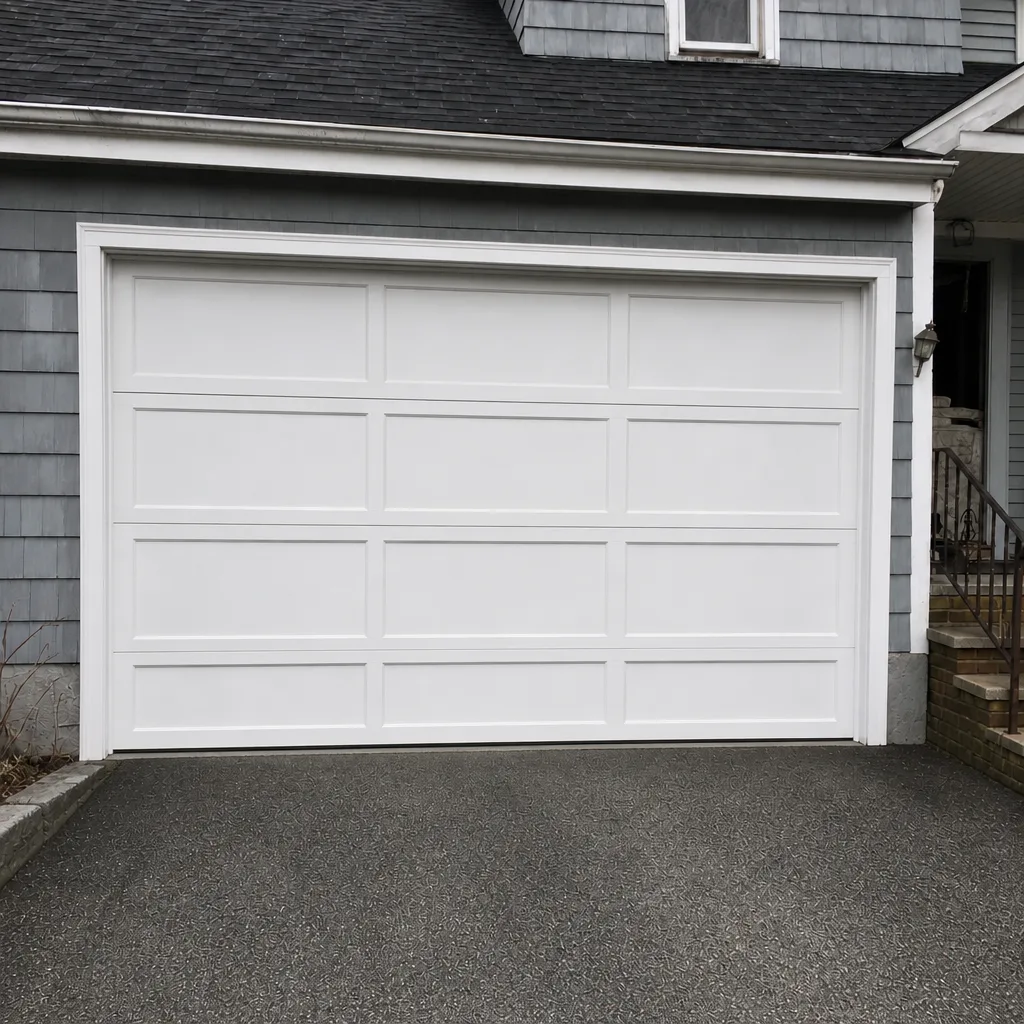 After
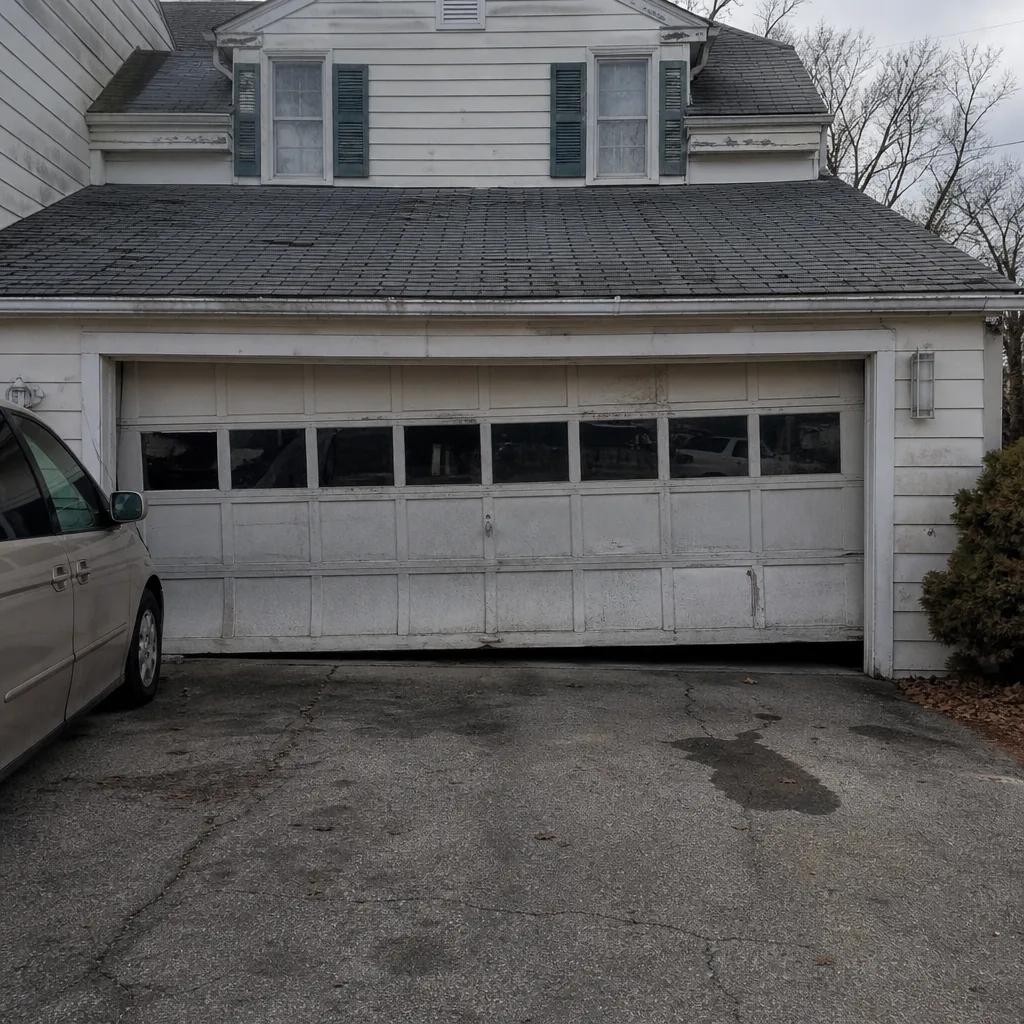 Before
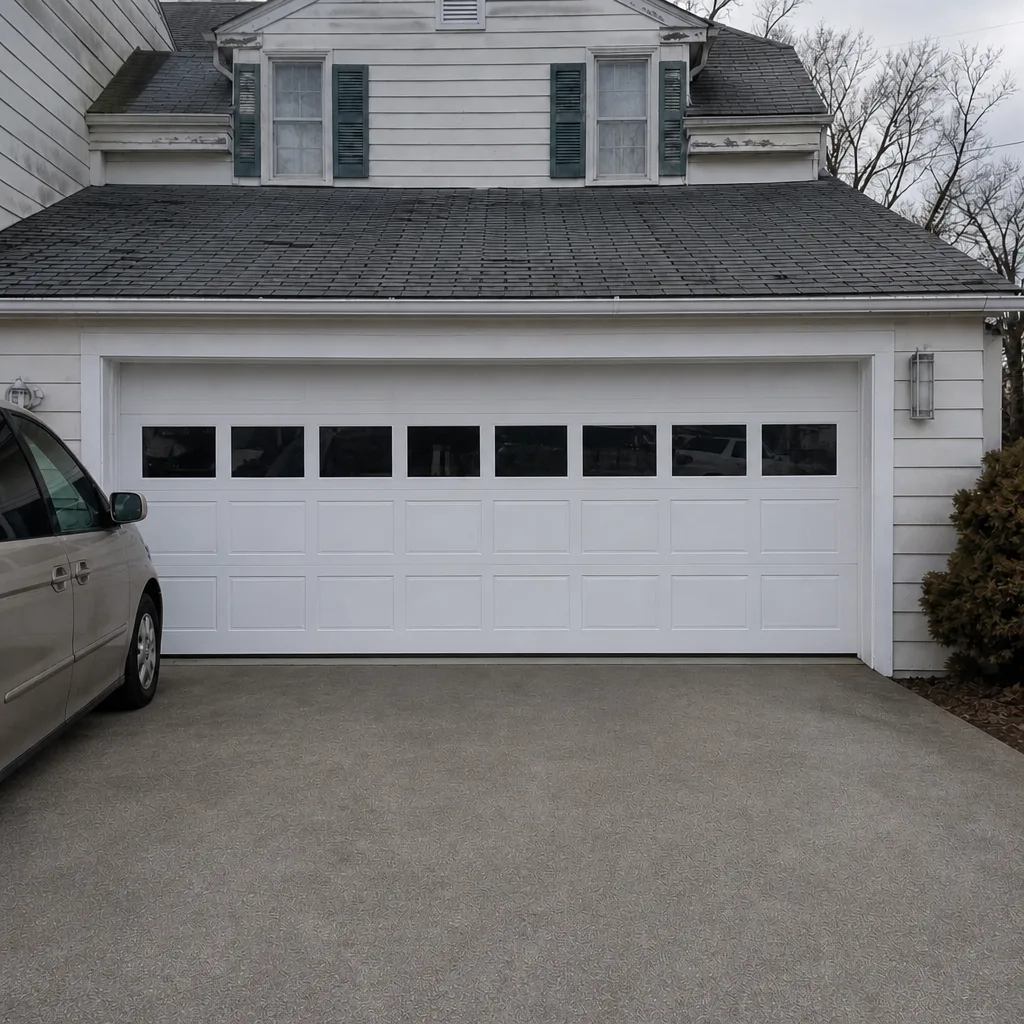 After
Frequently Asked Questions
The most common signs we see are a broken or weakened torsion spring, a door that moves unevenly or sags on one side, grinding or scraping noises, the opener reversing on its own, and a door that won’t stay down. If any of the first two are present, stop using the door and call for service. For everything else, a same-week inspection prevents a bigger repair. Call (844) 542-3157 for an exact quote – estimates are free.
A broken torsion spring usually shows a clear gap in the coil above the center of the door, and the door becomes very heavy or impossible to lift by hand. An extension spring along the side of the door may be visibly hanging or separated. If you suspect a broken spring, stop operating the door and call a technician; springs are under extreme tension and should never be handled by anyone without training and the right tools. Call (844) 542-3157 and we’ll book the soonest opening.
You can replace a weather seal, swap a remote battery, and lubricate rollers and hinges. For springs, cables, tracks, and opener adjustments, the answer is no. Those systems are under tension or electrical load, and the failure modes are serious injuries rather than wasted time. A trained technician can usually diagnose the whole system in one visit and quote the repair on the spot, so you know exactly what’s involved before saying yes.
No. The written estimate we give you before any work starts is the price you pay for that repair. If the technician finds something additional after taking the door apart, they explain it and get your approval before continuing, so nothing gets added to the bill without your agreement. For a fast answer on a specific issue, call (844) 542-3157 – estimates are free.
Some seasonal noise is normal. Cold contracts metal tracks and stiffens lubricants, and wood framing in older Lynn homes swells and shrinks with humidity. What’s not normal is a sound that gets louder or changes point in the door’s travel over a few weeks. That pattern points to a track, roller, or spring issue, not weather, and it’s worth an inspection before it gets worse.
The local pros we connect you with are licensed and insured as their state requires, and they work on the door and opener brands they’re trained on. If a brand-specific issue is the cause, we route the call to a technician familiar with that equipment. That’s our job: matching you with the right professional for the door you actually have. Call (844) 542-3157 to talk through what’s happening.
The Bottom Line
Garage door warning signs aren’t all equal. A broken spring or a door off its tracks means stop using it today. A grinding noise, uneven movement, or an opener that hesitates means book a repair within 48 hours. Squeaks, seal wear, and slow opener response are on the monitor-and-maintain list. The balance test is the one check every homeowner can safely make by hand, and it reveals spring and cable problems before they fail. If you take one thing from this guide, let it be this: sort what you’re seeing and hearing into a tier first, and act on the urgency. If it’s Tier 1, call before you run that door again. Check Lynn Garage Door Repair Pros for the full range of services, and reach out for a free estimate on any repair.
Written by the team at Lynn Garage Door Repair Pros.